
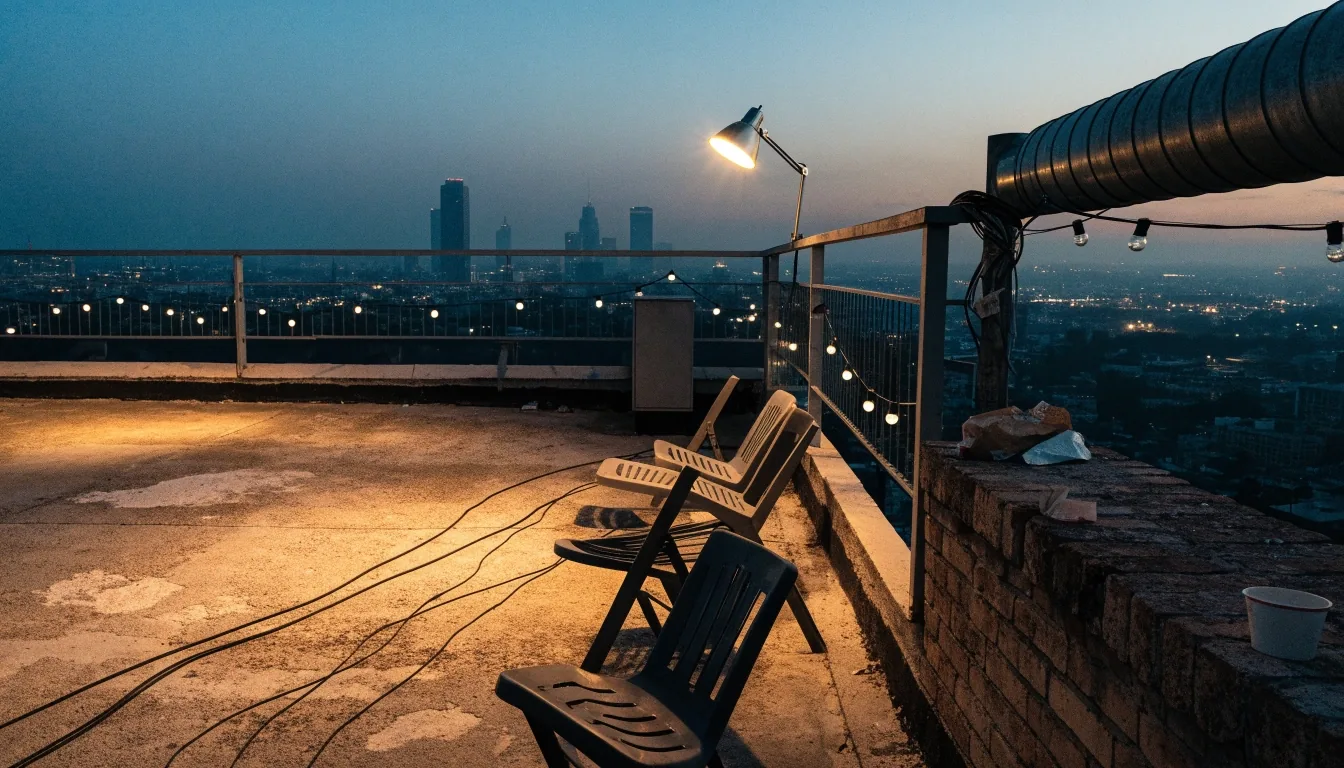
Datura Kilos makes entertainment in Los Angeles
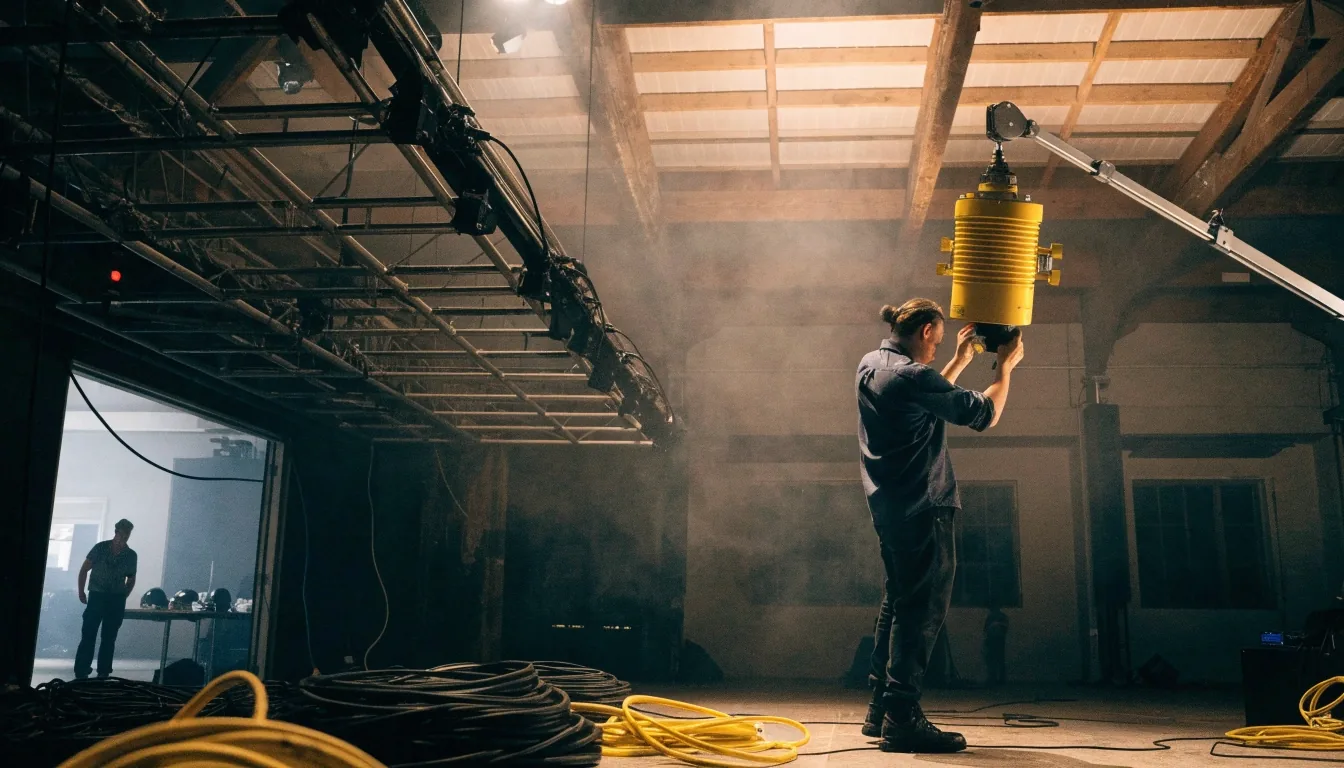
An entertainment company built around three kinds of work
Datura Kilos, Inc. is an entertainment company working out of downtown Los Angeles. We develop production work, run live event and venue projects, and build audience-facing formats for streaming-era distribution. Our address is 1120 W 6th Street, Apt 1413, Los Angeles, CA 90017.
Our work splits into three lines that feed each other. Production covers the making of content, from concept through delivery. Live covers events and venue-based programming, including curation and on-site delivery. Formats covers how finished work travels to audiences, whether that is a streaming bundle, a FAST channel, or short-form vertical video. Keeping all three under one roof means a live event can generate content, and content can drive attendance at the next event. That loop is the reason the company is structured this way rather than as a pure production house or a pure promoter.
Production
Concept, development, shoot and post, carried through to a delivered master.
Live
Venue programming, curation and on-site delivery, from a single night to a recurring slot.
Formats
The version of the work built for the home it lands in: bundle, FAST channel or vertical cut.
Why downtown Los Angeles
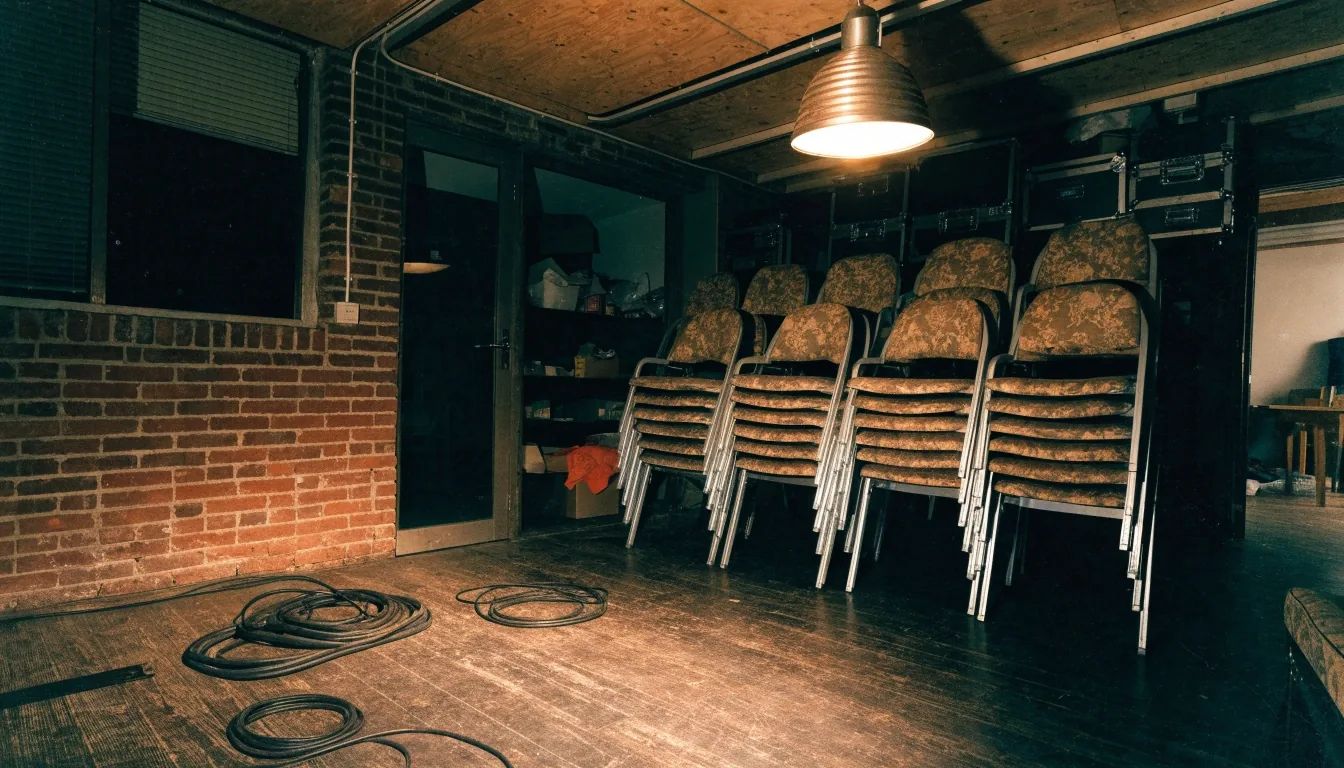
Being close to venues, crews and the people who license content changes how fast a project can move.
Where the business gets done
Los Angeles is still where entertainment deals are negotiated. Downtown puts us close to venues, production crews, and the people who license content.
A working base, not a storefront
The 6th Street address is where the work is organized. Most early conversations happen by phone or email before anything is scheduled.
California registration
Datura Kilos, Inc. is registered in the state, which keeps paperwork straightforward for U.S. partners and simplifies how agreements are filed.
Working across time zones
For international partners we work Pacific Time and move to early calls when a project crosses time zones.
Live events and appointment viewing
Audiences still show up when something is scheduled. Netflix carrying WWE Raw starting in 2026 is the clearest recent example: a weekly live property moved into a streaming-first home and kept its fandom intact. We take the same idea into smaller rooms.
A curated night at a Los Angeles venue, a recurring series with a fixed slot, a ticketed show with a strong host — all of them depend on the same thing appointment viewing always depended on: a reason to be there at that hour rather than later. Our live work starts from that question.
Explore live events and venue work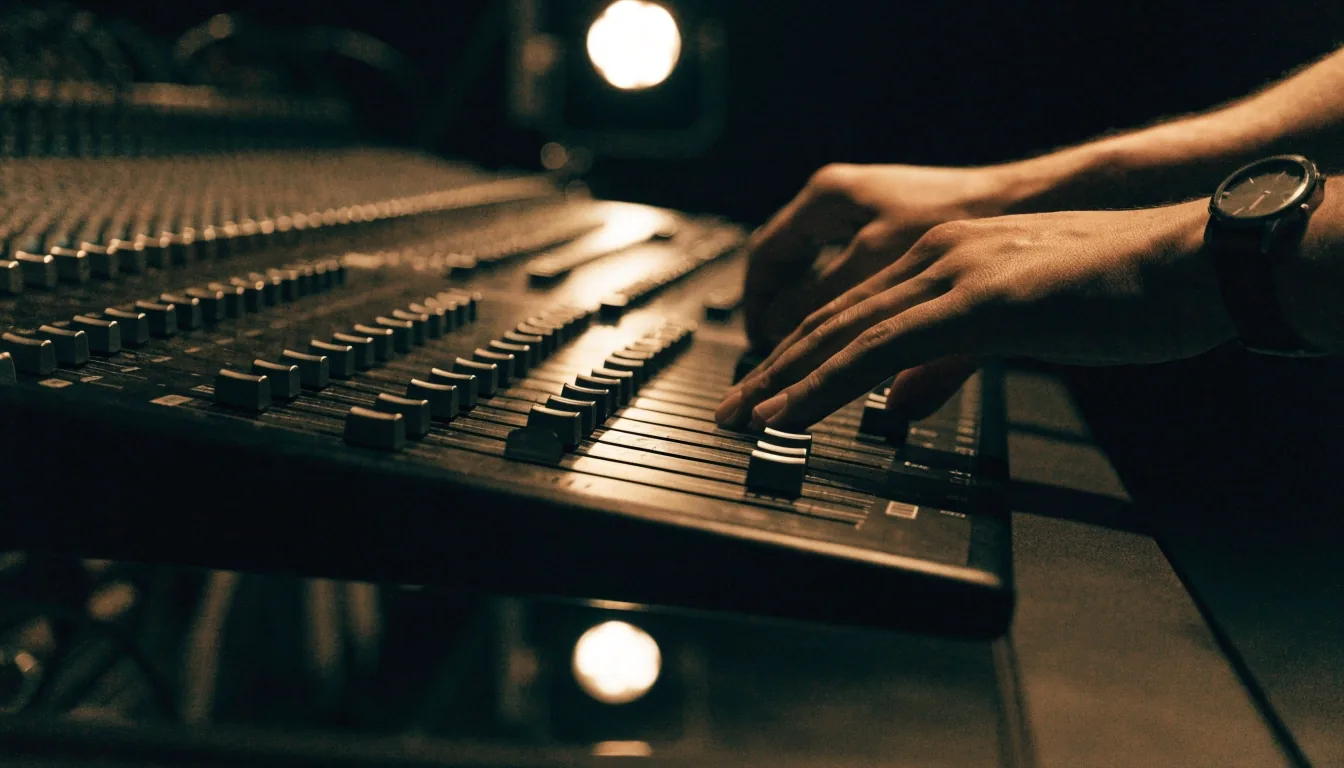
Venue work starts with a walkthrough and an honest read of the room, not with a capacity number.
Streaming formats and where attention actually goes
Streaming is not one market anymore. Parks Associates' 2026 tracker counted 370 U.S. service profiles in one update, including 275 SVOD services, 141 AVOD services, and 60 FAST platforms. That is a crowded map, and it is why we do not treat distribution as an afterthought.
A project might be built for a subscription platform, an ad-supported tier, or a FAST channel with a fixed schedule and a small budget per hour. The format decision changes the writing, the runtime, and the edit. We would rather settle that early than re-cut a finished piece for a home it was never shaped for.
Subscription platforms
Built for a paying audience and a longer runtime, where the piece carries the whole evening rather than a scroll.
Ad-supported tiers
Written around natural breaks, where a clear run of segments holds attention between ad pods instead of fighting them.
FAST channels
A scheduled, ad-supported home with a smaller budget per hour. Parks Associates counted 60 FAST platforms in the U.S. in 2026 reporting.
Settle the format before the shoot and the edit gets simpler.
Selective libraries and the quality question
Apple TV is usually described in 2026 comparisons as a curated service with a smaller library and high-profile originals, the opposite of a breadth-first platform. HBO Max sits on the prestige side too, known for scripted series and films, while still part of the broader move toward simplified bundles.
Both examples are useful when we talk to partners about scope. A small, well-chosen slate can hold attention if each piece earns its place. A large slate needs a different kind of machine behind it. Knowing which one you are building is most of the planning.
What separates a good project from an average one
Most entertainment projects do not fail because the idea was bad. They fail because the format, the venue, or the audience was mismatched from the start.
A premium scripted feel does not survive in a two-minute vertical slot. A short-form series does not fill a 400-seat room on a Tuesday. Experienced partners ask the same questions early: who is this for, where will they watch it, and what makes them come back.
We ask those before we quote anything. It saves everyone a rewrite.
First-party data is now part of the creative conversation
PwC's 2026 outlook points to ad tech and first-party data as critical valuation drivers in media, tying audience data to monetization and platform competitiveness.
That has a practical effect on how we plan work. If a project is meant to build an owned audience, then the signup, the email list, or the follow matters as much as the show itself. We design that step into the project instead of bolting it on at the end.
It is also why we ask partners what they can measure, not just what they want to make. The audio side matters here too. Spotify's role spans music, podcasts, and creator discovery, and it is one of the places where a smaller production can find an audience without competing for a streaming slot.
For some of our projects, an audio companion or a podcast version is the cheaper, faster way to test whether a topic holds attention. If it does, the video version has evidence behind it. That sequencing is a deliberate choice, not a fallback.
Who we work with
We work with brands that want entertainment attached to their name, venues that want programming, creators who need production and distribution support, and rights holders who need a format built around what they own.
The fit matters more than the size of the budget. A partner who knows their audience and their constraint is easier to build with than one who only knows the ambition. If you are unsure which of our lines fits your project, describe the goal in plain terms and we will tell you where it lands.
How we work with partnersHow a first conversation usually goes
You call or send a short message with the shape of the idea: what it is, who it is for, roughly when. We reply with questions, then a view on which of our three lines applies and what a realistic first step looks like.
Sometimes that step is a paid discovery phase. Sometimes it is a single event or a pilot piece. We do not start with a full slate proposal, because most projects are not ready for one. The goal of the first conversation is to find the smallest useful thing to make.
Tell us the idea
What it is, who it is for, and roughly when you want it to exist.
We ask questions
Audience, format and venue get settled before anything is quoted.
Smallest useful step
A discovery phase, one event, or a pilot piece — whichever proves the idea fastest.
Common beginner mistakes we see from partners
The first mistake is treating the platform as a detail to decide later. The second is budgeting for production and forgetting the audience-building step. The third is assuming a bigger venue means a bigger result; often it means a thinner crowd spread across more seats.
We have watched all three play out on projects that had good material underneath. None of them are fatal if they are caught in the first conversation. Most of what we do at the start is ask enough questions to catch them.
Venue curation: what makes a room feel premium
Size is not what makes a venue feel premium. Sightlines, sound, the gap between sets, how quickly a door moves, whether the room is too bright during a quiet moment. Those details decide whether a night feels considered or just large.
Some rooms are wrong for a show and right for something else. Saying that early is part of the job. It is cheaper to change the plan than to apologize on the night.
The top of the market is crowded. We work where live events and content meet at a human scale.
Live sports and the migration of premium rights
Live sports rights keep crossing into streaming-first distribution. Netflix carried its first live MLB events in 2026, and MLB remains one of the flagship U.S. live properties.
What that means for a company our size is simple: the top of the market is crowded, so we work where live events and content meet at a human scale. A venue series, a watch-party format, a recurring local show with a real host. These are formats where a smaller team can deliver something people actually attend and remember, rather than bidding for rights we cannot use.
Questions we get before a first project
Short answers to the things partners ask most often. If yours is not here, ask it directly.
What does Datura Kilos, Inc. actually do?
We work across three lines: production, live events and venue programming, and audience-facing streaming formats. Most projects use one line as the entry point and pull in the others as they grow.
Are you based in Los Angeles?
Yes. The company is registered in California with a downtown Los Angeles address at 1120 W 6th Street, Apt 1413, Los Angeles, CA 90017.
Do you work with partners outside the United States?
We do, and we work Pacific Time. For partners in other time zones we usually schedule early calls to overlap.
How do I start?
Call +1 579 15 27 89 or send a message through the contact page with a short description of the project, the audience, and rough timing. We reply with questions before anything else.
What is FAST, and why does it come up in your work?
FAST stands for free ad-supported streaming television. Parks Associates counted 60 FAST platforms in the U.S. market in 2026 reporting. It is one of the lower-cost distribution routes we plan for when a project suits a scheduled, ad-supported format.
Tell us what you want to make
Call or send a short note with the shape of the idea and who it is for. We will reply with questions, then a view on which line fits and what a realistic first step looks like.
Datura Kilos, Inc.
1120 W 6th Street, Apt 1413
Los Angeles, CA 90017, USA
Monday–Friday, 9:00 AM – 6:00 PM Pacific Time