
Datura Kilos, Inc. — partnerships from first conversation to delivery
How Datura Kilos works with partners
The first conversation
Most partnerships start with a call or a short message, not a proposal. We ask what the project is, who it is for, and roughly when it needs to exist. Then we ask what the partner can actually measure, because that answer decides whether the work should build an owned audience or simply reach one.
There is no deck in the first meeting. The point is to find out whether there is a real project underneath the idea — and sometimes the honest answer is that there is not yet.
What we ask of partners
Bring the audience, the constraint, and the decision-maker. Projects slow down when the person who can approve the budget is not in the room, and they go wrong when the audience is described as everyone. If there is an existing venue, following, or catalog, say so early, because it changes the plan. If something went wrong on a previous project, share it — that is usually the most useful thing we hear in a first meeting.
- The audience Who it is for, and how you currently reach them. Specific beats broad every time.
- The constraint Budget range, dates that cannot move, formats already committed. Limits make the plan faster to write.
- The decision-maker Someone in the conversation who can approve the next step without another meeting.
- The history What you tried before and what it taught you. Past trouble is easier to plan around than a blank page.
Small first engagements
First engagements are deliberately small: a paid discovery phase, a pilot piece, a single event. The point is to test whether the idea holds before anyone commits a full budget. A pilot tells you more about an audience than any amount of planning, and it costs less than being wrong at scale.
Paid discovery
A short, paid phase where we map the audience, the format options and the realistic budget together. You leave with a plan you can act on even if you never work with us again.
A pilot piece
One episode, one segment, one format built and released properly. It is the cheapest way to learn how an audience reacts before the idea becomes a season.
A single event
One night, one room, fully produced. If it works, the second engagement is larger and much clearer because the guessing is already done.
If the pilot does not work, everyone has spent less and learned something they can use elsewhere. That is the whole design of it.
Brand collaborations
Brands come to entertainment because attention in a room or on a screen is hard to buy elsewhere. The work is making the brand part of the experience rather than a layer over it. That might be a stage moment, a hosted segment, or a space in a venue that people actually use.
A logo the audience learns to ignore is money spent on nothing. So we plan the brand's role into the running order or the format from the start, and we will say when the fit is not there rather than sell you a placement that will not be noticed.
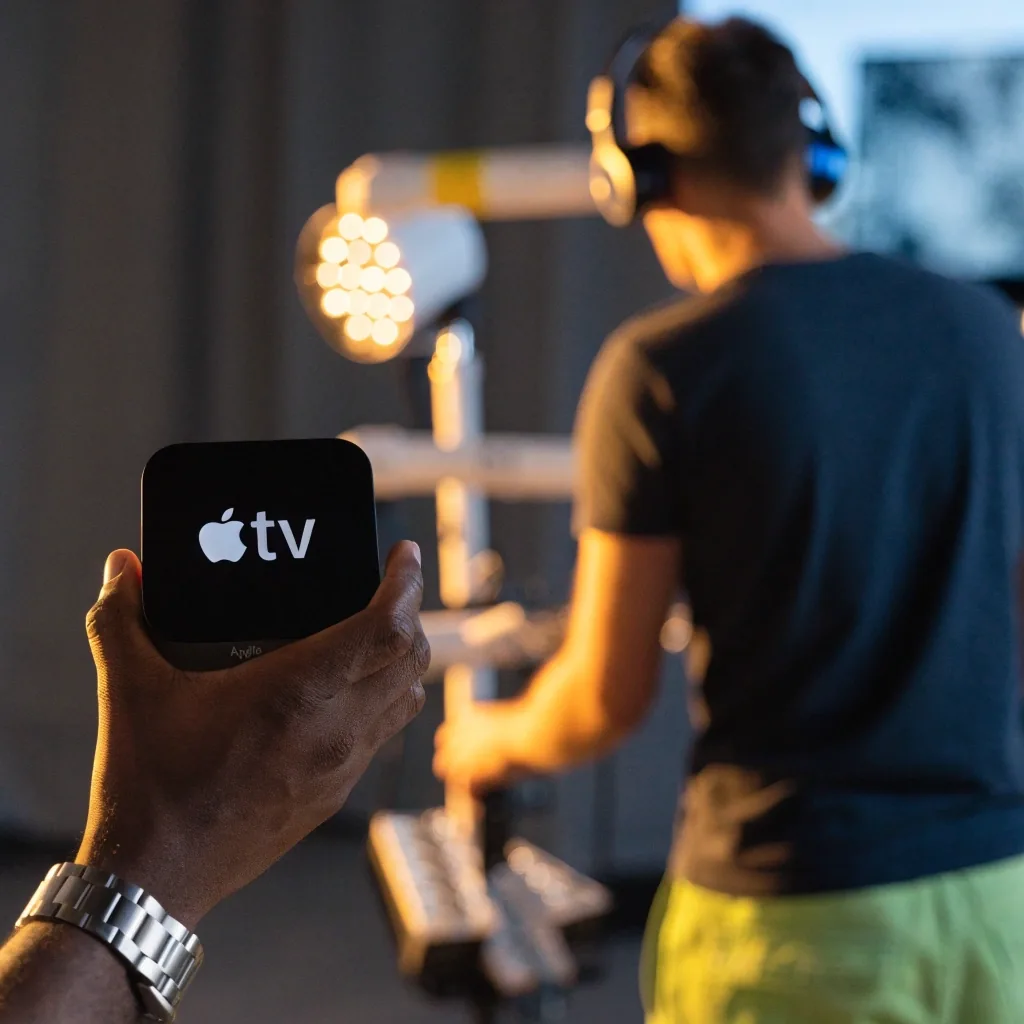
Brand work is planned into the running order, not painted over it. If the moment cannot hold a partner without breaking the show, we say so before contracts.
Venue partnerships
Venues bring a space and often a built-in audience; we bring programming and delivery. The roles need to be clear before the first booking: who holds the door, who handles ticketing, who carries insurance, and what happens if a night underperforms.
We do not run a rental business, and we do not sell tickets to events outside our own production. When both sides know which role they are playing, the partnership tends to run for years rather than one season.
Roles we settle before the first booking
- Door and floor
- Who staffs entry, security and guest handling on the night.
- Ticketing
- Whose system sells, whose name is on the price, who handles refunds.
- Insurance
- Which side carries cover for the room, the crew and the guests.
- A slow night
- What happens to the split, the date and the next booking if a night underperforms.
Creator collaborations
Creators usually need two things: production support and distribution help, without losing the thing that makes their work theirs. That means we build around their voice rather than replacing it. A creator who already has an audience is often better served by a small, well-made format than a large one that dilutes what people followed them for.
We are clear about who owns what and where the work can appear, in writing, before production starts.
Rights holders
Rights holders come with something real: a catalog, a property, a body of work. What they often need is a format built around it, because owning something and knowing how to present it are different skills. We look at what the rights actually allow, which platforms they suit, and what a realistic production budget looks like for each one.
If the rights do not cover what the partner wants to do, we say that in the first conversation rather than after a contract.
How we handle scope and changes
Scope changes on almost every project, and the question is how they are handled. We write down what is included and what is not, then treat additions as additions rather than absorbing them silently. That protects the partner's budget as much as ours.
If a change would push a project past a deadline or a cost ceiling, we raise it before doing the work, not after. The conversation is usually short when it happens early.
An extra call at the start is cheaper than rebuilding a project halfway through.
Where partnerships go wrong
Three things break partnerships more often than anything else. Each of them is avoidable in the first meeting, and each of them is easier to fix before the budget is committed than after.
-
A format decided too late
When the shape of the show is settled after the schedule and the budget, every later decision gets expensive. We settle the format in the discovery phase.
-
An audience described too broadly
Everyone is not an audience. A specific group with a specific habit gives us something to program against and something to measure afterwards.
-
A budget that was never stated
A number said out loud in the first meeting saves weeks of proposals that were never going to fit. It also lets us tell you honestly what your range buys.
Questions partners ask before the first call
If your question is not here, ask it in the first conversation. We would rather answer it before a proposal than after one.
Do we have to commit to a full season or campaign?
No. First engagements are built small on purpose — a paid discovery phase, a pilot piece, or a single event. You decide about the larger commitment after you have seen how the first piece performs.
Who owns the work we make together?
Ownership and where the work can appear are written down before production starts. For creators we build around your voice, so the parts that make the work yours stay yours; for rights holders we work within what the rights actually allow.
We are a venue with no production team. Does that work?
That is a normal starting point. Venues bring the space and often the audience; we bring programming and delivery. What matters is agreeing who holds the door, who handles ticketing, who carries insurance, and what happens if a night underperforms.
What if the idea turns out not to be ready?
Then we say so early. Sometimes the answer to a first conversation is that there is not yet a real project underneath the idea, and hearing that costs less than discovering it after a full budget has been committed.
How long does a first conversation take?
A call or a short message is enough to start. We ask what the project is, who it is for, when it needs to exist, and what you can measure. From there we either suggest a small first engagement or tell you what is missing.
Start a partnership conversation
Tell us what the project is, who it is for, and roughly when it needs to exist. If it helps, mention the audience you already have, the budget range you are working inside, and anything that went wrong on a previous project. We will tell you plainly whether there is a real project underneath the idea.
Datura Kilos, Inc.
1120 W 6th Street, Apt 1413Los Angeles, CA 90017, USA
+1 579 15 27 89
[email protected]
Monday–Friday, 9:00 AM – 6:00 PM