
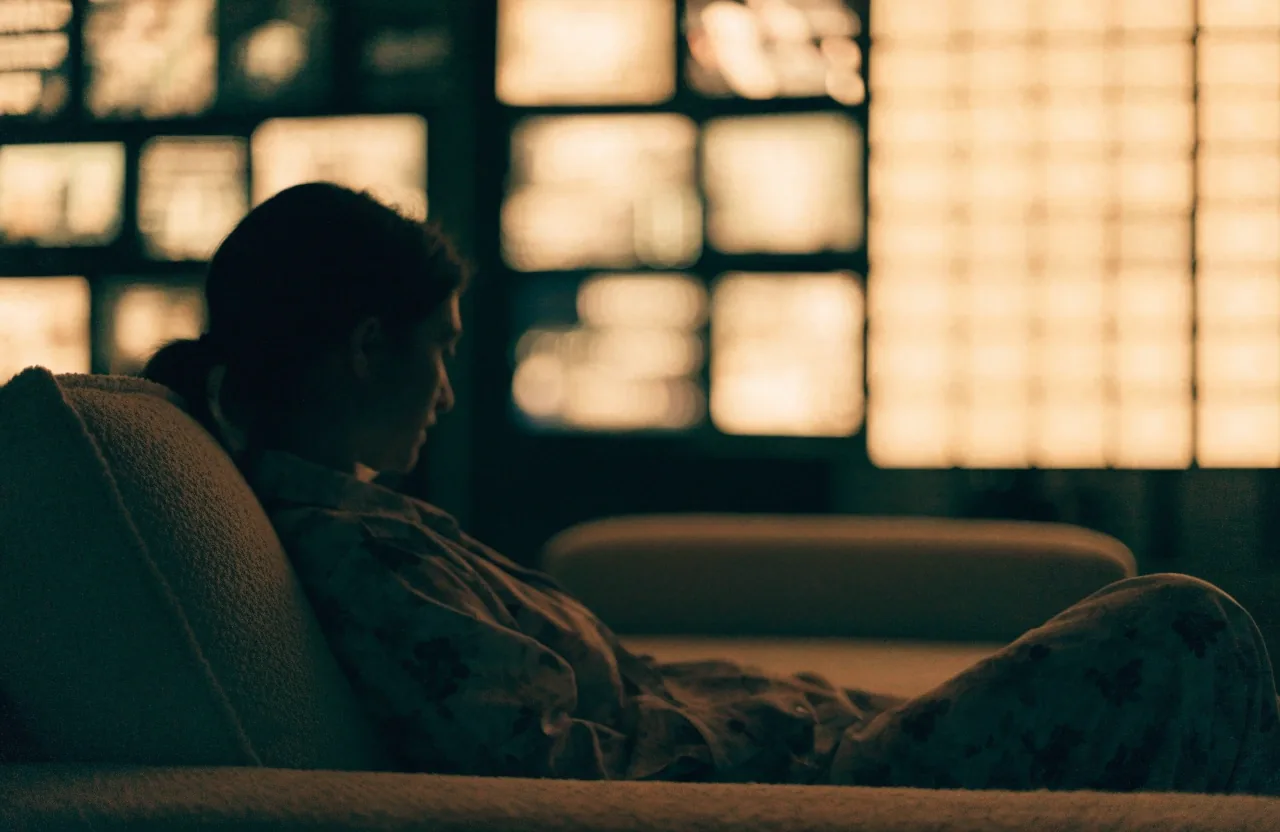
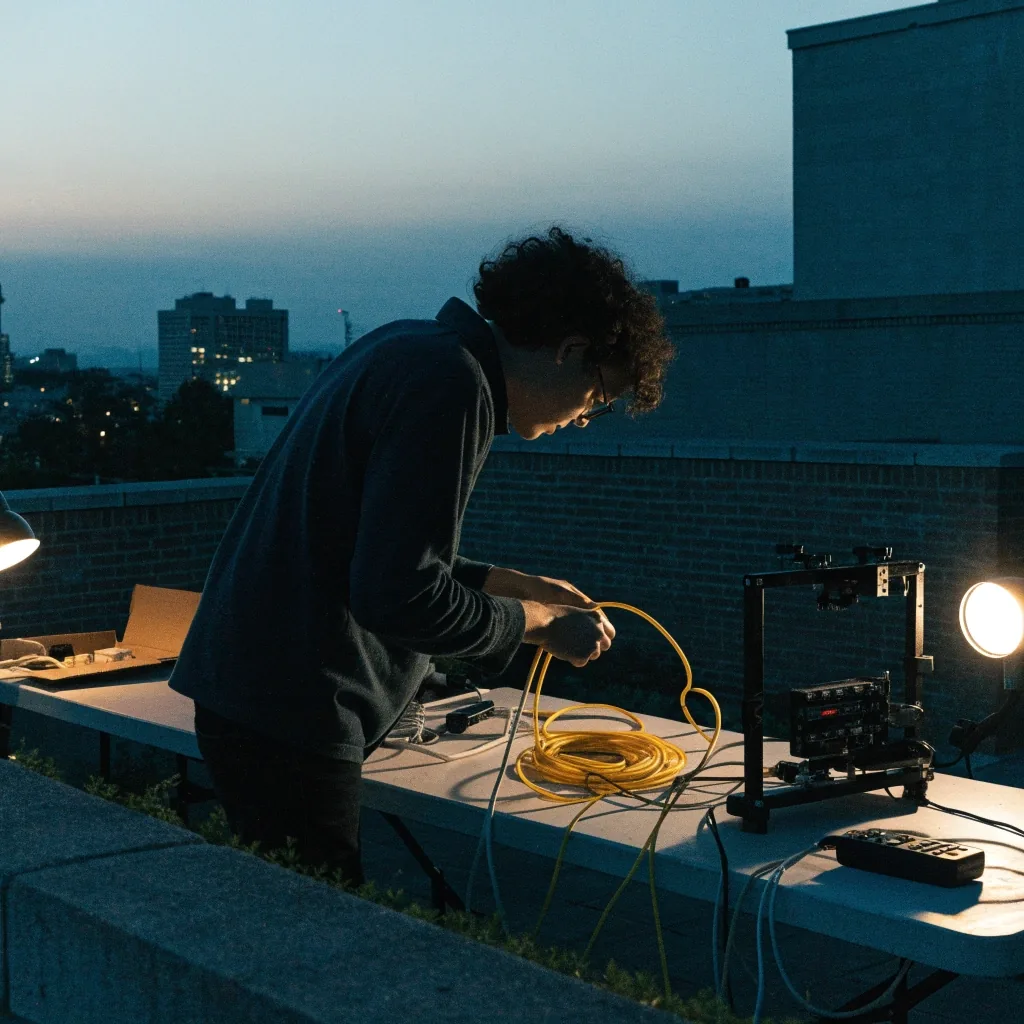
The same drawing runs through this page: production, live, streaming, partners, audience — and no single one of them at the centre.
Streaming and audience formats we build
Datura Kilos, Inc. builds content for the places audiences actually watch: subscription platforms, ad-supported tiers, FAST channels, short-form feeds, and audio. The format decision shapes everything from runtime to edit, so we settle it early. This page explains the formats we work in and how we choose between them.
Why the format decision comes first
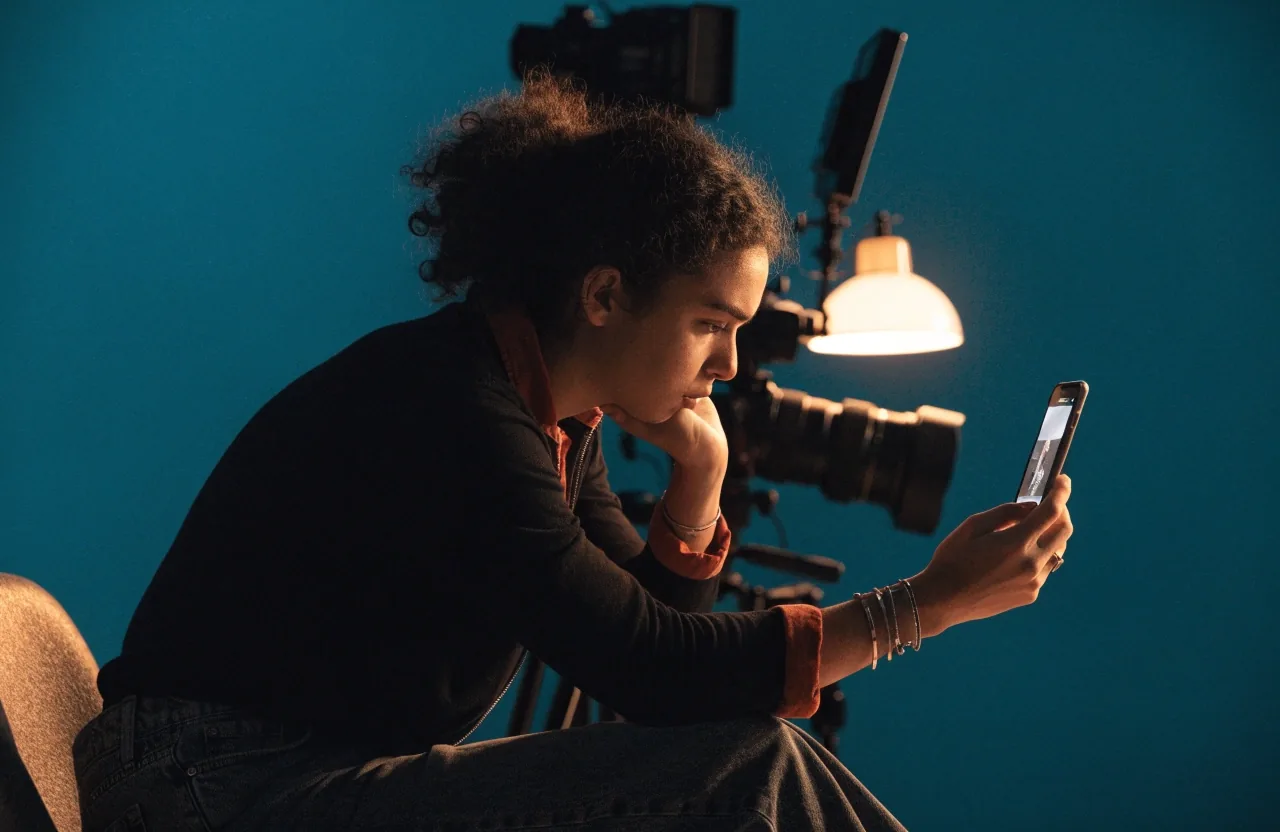
A project built for a subscription platform and a project built for a FAST channel are not the same project with different logos. Runtime, pacing, the number of breaks, how much context the audience arrives with, all of it changes.
Parks Associates counted 370 U.S. service profiles in one 2026 update, including 275 SVOD, 141 AVOD, and 60 FAST platforms.
With that many homes for a piece of content, guessing at the format is expensive. A half-hour written for a channel with four ad breaks plays badly on a subscription service where nobody expects an interruption, and a slow cinematic open loses a FAST viewer before the first break. We decide the format in the first conversation, before anyone writes a script, because the choice quietly sets the budget, the crew size, and the edit.
Ad-supported streaming and the free tier
FAST stands for free ad-supported streaming television, and it has become a real part of the lower-cost streaming market. It is not a smaller version of subscription work; it is a different shape of programme.
What suits a free tier
A clear, repeatable shape: a half-hour with defined break points, a host who can carry an episode week after week, and a topic that does not need a large budget per hour to stay interesting.
What does not
A slow, cinematic build that needs uninterrupted attention. If the whole point of a piece is that the viewer sits still for forty minutes, an ad break every eight will dismantle it no matter how well the edit is done.
How we plan the breaks
We write break points into the script rather than cutting them in later. An ad break placed badly breaks the episode: it lands mid-argument, or it drops the viewer right before the thing they were waiting for.
Short-form vertical video
Short-form is not a trailer for the main piece. It has its own rules: the first two seconds carry most of the weight, and the payoff has to arrive before the thumb moves. A cut-down of a longer piece often fails here, because the original was built for a seated audience that already agreed to stay.
We build short-form versions from the same material but with a different structure, and we decide which moments can carry a standalone clip while the main piece is still being planned. That decision is cheap at the script stage and expensive after the shoot.
A vertical clip is shot, framed and cut for a viewer standing in a queue. The same camera, the same talent, a completely different edit rhythm.
Subscription and prestige-oriented platforms
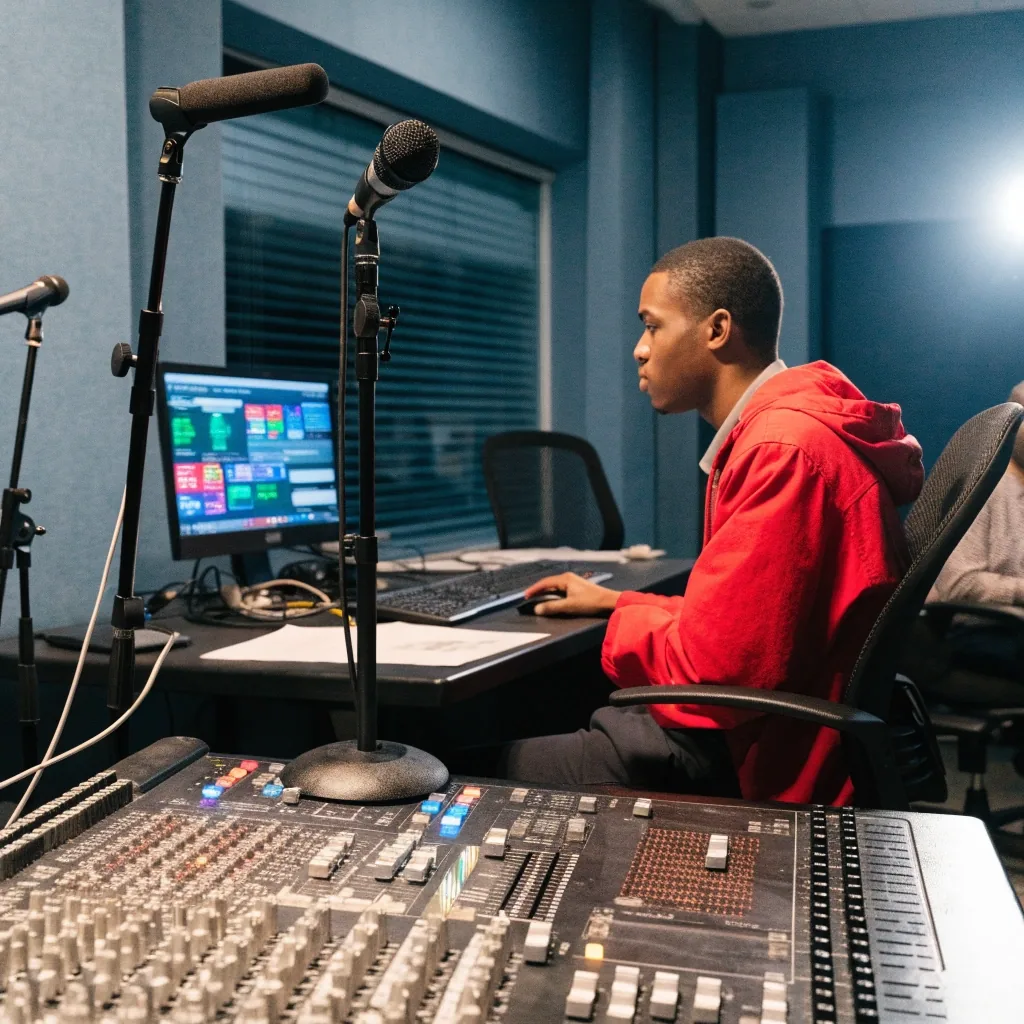
Some projects suit a subscription home, where the audience has already chosen to be there and will accept a slower build. HBO Max and Apple TV are usually described in 2026 comparisons as sitting on the prestige side: premium scripted work, curated libraries, high-profile originals.
A smaller, more selective slate can hold attention if each piece earns its place. That is a different discipline from a breadth-first platform that needs volume every week, and it changes how we scope a project from the start: fewer episodes, longer development, a higher bar on the script before anything is shot.
Audio as a format, not an afterthought
Audio holds a large share of daily listening, and Spotify's role spans music, podcasts, and creator discovery.
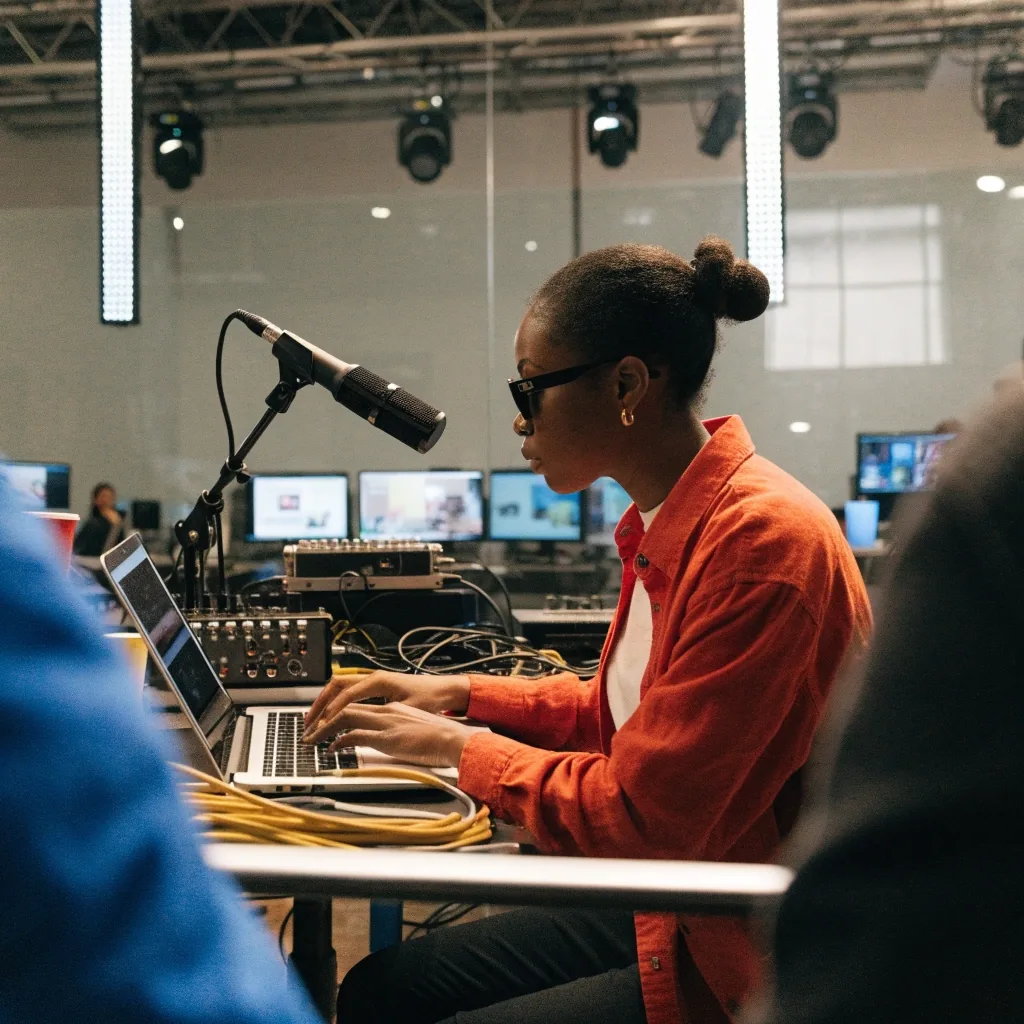
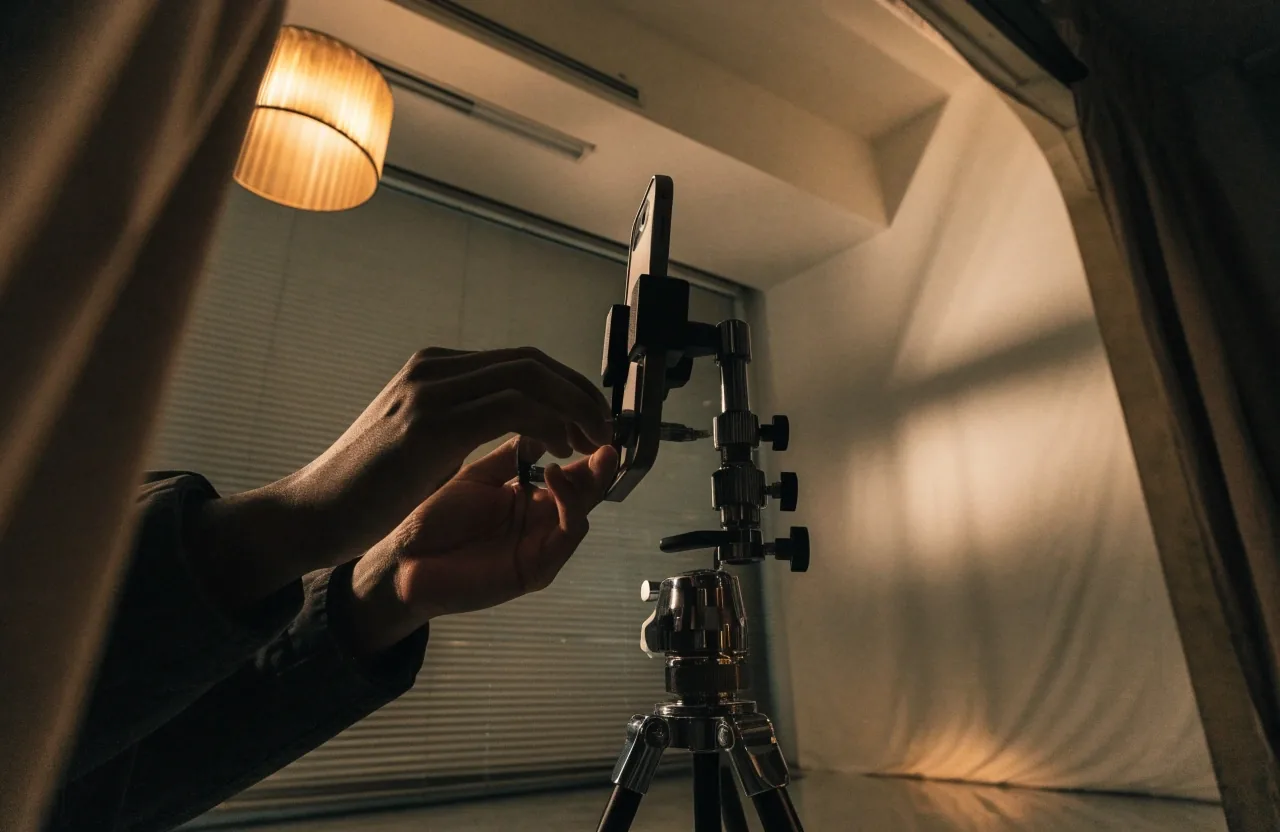
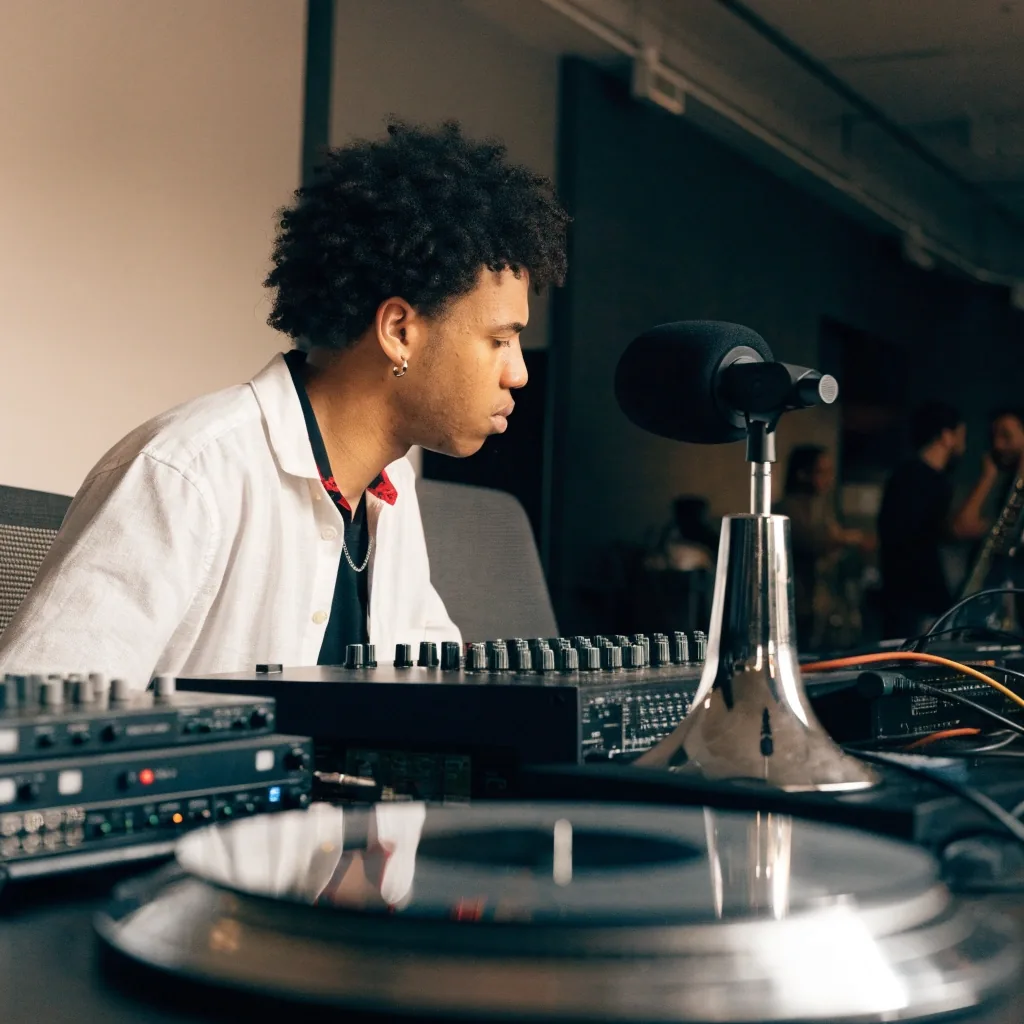
For some projects an audio version is the fastest and cheapest way to test whether a topic holds attention. If people listen through an episode, the video version has evidence behind it. We treat audio as a legitimate format with its own production needs, not as a stripped-down version of a video project. The writing is different, and so is the edit.
Writing for the ear
Sentences have to survive being heard once. Names, numbers and place references get said out loud in full, because a listener cannot scroll back to check.
Room and pace
An audio record has no cutaway to hide a stumble. We plan the recording room and the pacing of each segment before the session, not after.
What it buys you
A finished audio run is real evidence about whether a subject holds attention, and it costs a fraction of a shoot. It either earns the video version or it saves you from making one.
Live content inside a streaming library
Live rights are moving
Netflix carried its first live MLB events in 2026, and it began carrying WWE Raw the same year, which shows how premium live rights are crossing into platforms that were built for on-demand libraries.
A format story, not a rights story
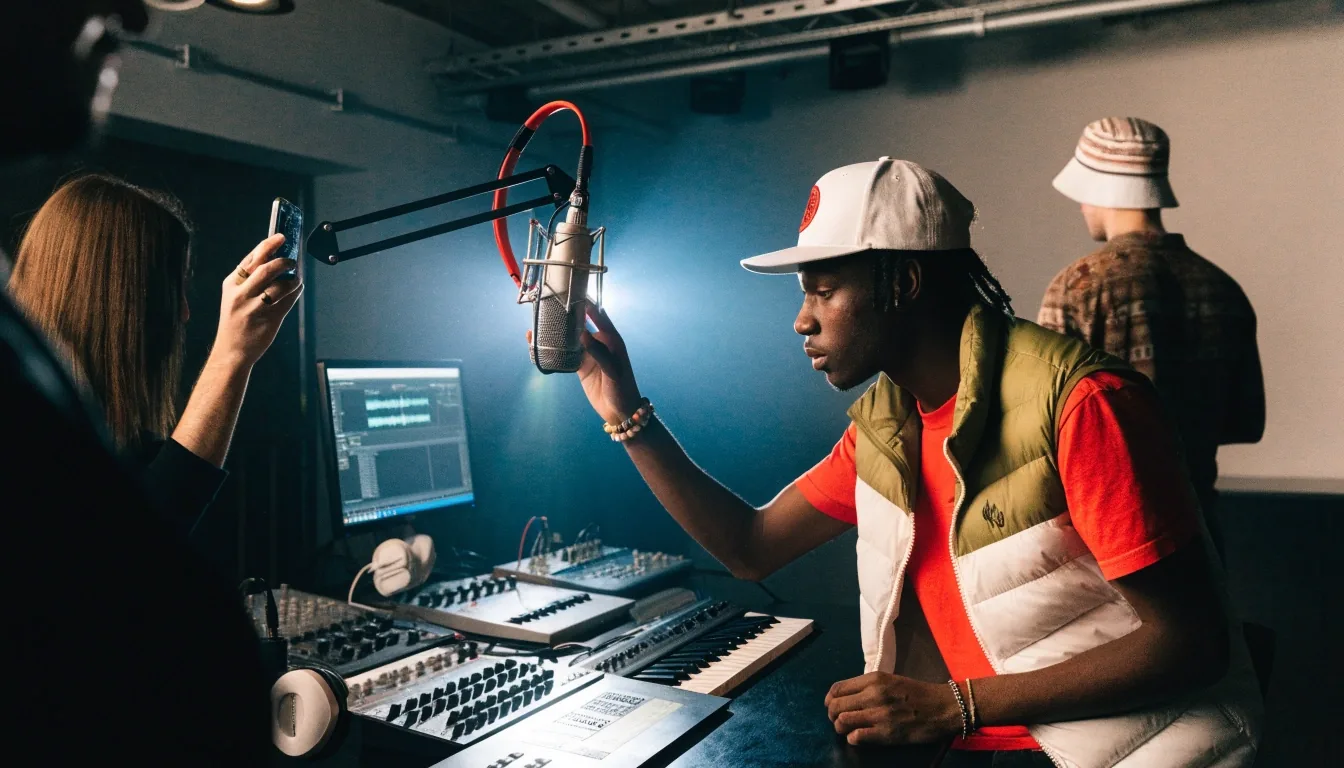
For a company our size, that shift matters less as a rights story and more as a format story: live material cut for a streaming home needs a different structure than a studio piece.
Planning for it
Live cut for a library needs a longer tail of context around the moment, and a spine that still reads if someone arrives halfway through. We plan that in before the camera rolls.
Audience data and what it changes
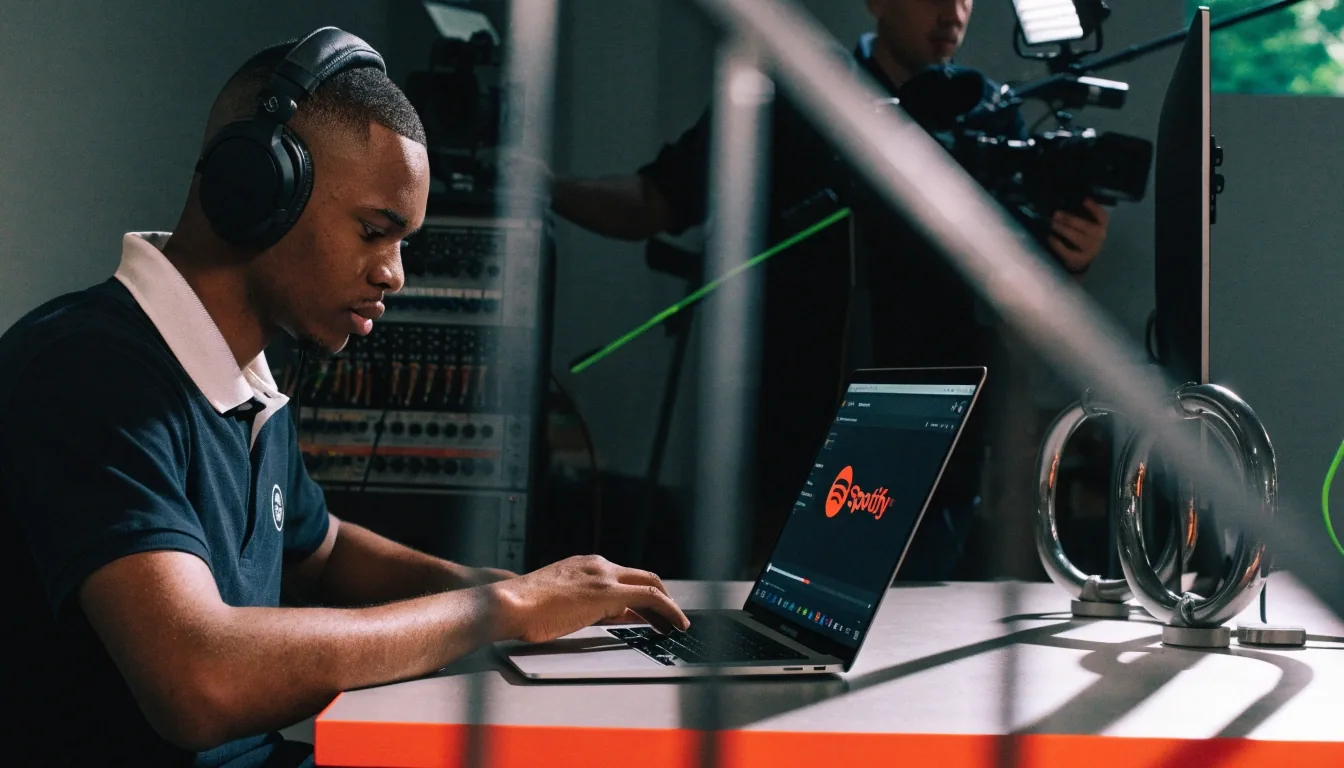
PwC's 2026 outlook ties ad tech and first-party data to monetization, targeting, and platform competitiveness. In practice that means the step after the watch matters. If a project is meant to build an owned audience, the signup, the email list, or the follow is part of the design, not a marketing add-on.
We ask partners what they can measure before we plan the content, because a format that cannot connect to an owned audience is leaving the most valuable part of the work on the table. If the only outcome anyone can check is a view count that resets with the next post, the project has no way to prove it worked.
Subscription home
Retention and completion rates
Ad-supported tier
Where the audience drops inside the break
Short-form feed
How many people reach the end of the clip
Audio
How much of an episode holds a listener
Owned audience
Signups and follows that stay with you
How we pick a home for a project
We weigh four things before recommending a home, and we put them in writing so a partner can disagree with the reasoning rather than the conclusion.
- Who the audience is A seated, self-selected viewer and a viewer flicking through a free channel want different first minutes.
- Budget per hour Some formats carry a production cost per hour that a repeatable weekly slot simply cannot absorb.
- Schedule or on demand A fixed slot builds a habit; an on-demand library rewards a binge. A topic rarely rewards both equally.
- What the partner can measure If nothing downstream of the watch is tracked, we say so early and plan around what is available.
A scheduled FAST slot and an on-demand subscription home pull in opposite directions, and picking the wrong one wastes the production. If a project genuinely suits two homes, we say so and let the partner choose rather than pushing our preference.
What we do not promise
We do not guarantee placement on any platform, view counts, or audience growth numbers. We do not hold distribution rights we have not been granted, and we do not present ourselves as a platform or a network. What we deliver is the format and the finished work, built for a specific home with a plan behind it. Whether that home performs is decided by the audience, and anyone promising otherwise is selling something they do not control.
Questions we get before a first meeting
Can one project live in more than one format?
Yes, and it often should. A main piece for a subscription home can carry a short-form run built from its own material and an audio version recorded in the same week. What we will not do is take one edit and post it in three places, because each home has a different viewer arriving with different expectations.
What do you need from us before you can recommend a format?
Three things: who you want watching or listening, roughly what the production can spend per finished hour, and what you are able to measure after the watch. If you do not know the third one yet, say so. That answer shapes the recommendation more than the first two.
Do you place content on platforms for us?
No. We are a production company in Los Angeles, not a distributor or a network. We build the format and the finished work for a specific home, and where a project needs a distribution relationship we say that plainly at the start rather than implying we have one.
How long does the format decision take?
Usually one conversation and a short written summary. It is the cheapest hour of a project: every week a format stays undecided is a week of development that may have to be redone once the runtime, break structure and audience assumptions are settled.
Datura Kilos, Inc. — 1120 W 6th Street, Apt 1413, Los Angeles, CA 90017, USA. Monday to Friday, 9:00 AM – 6:00 PM. Reach the team at Contact Datura Kilos, or read How we work with partners before the first call.