
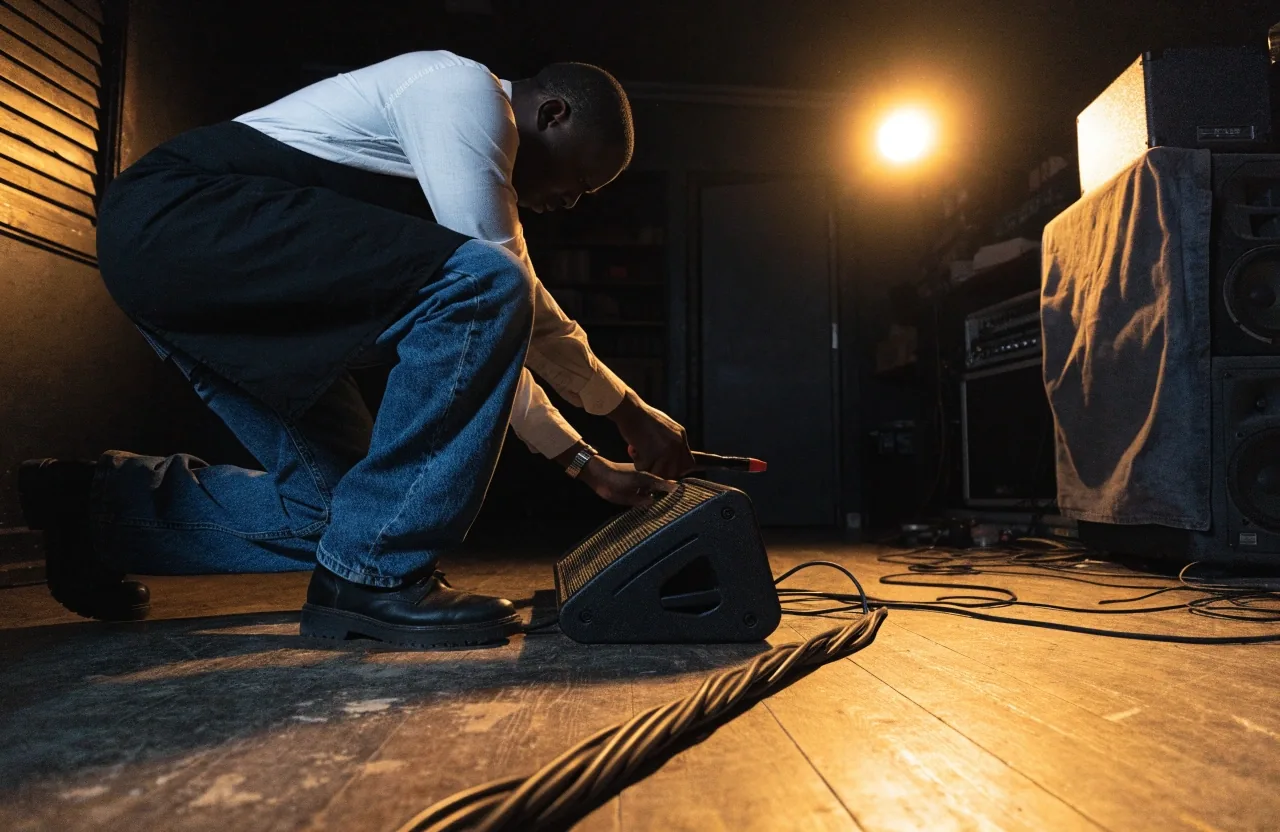
Live events and venue work in Los Angeles
We walk the room first, then build the night around what it can actually hold.
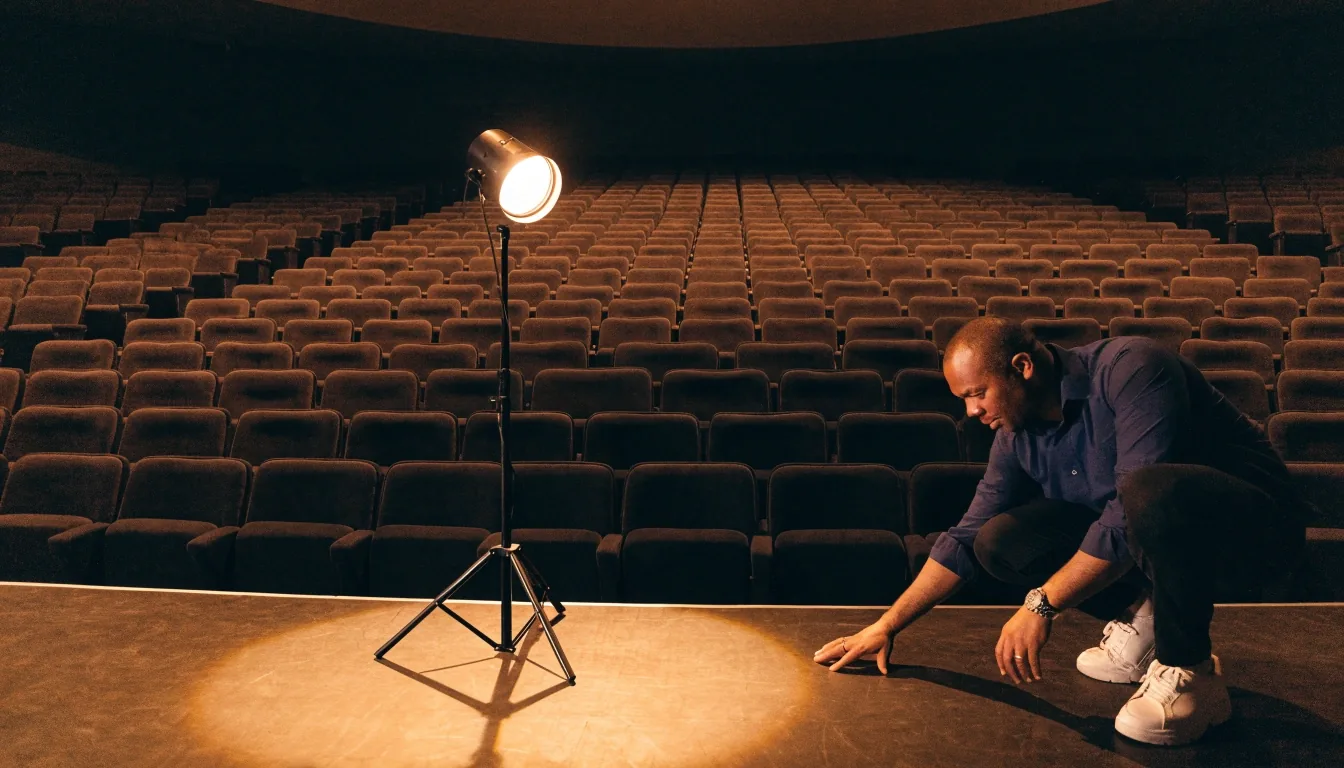
Starting with the room
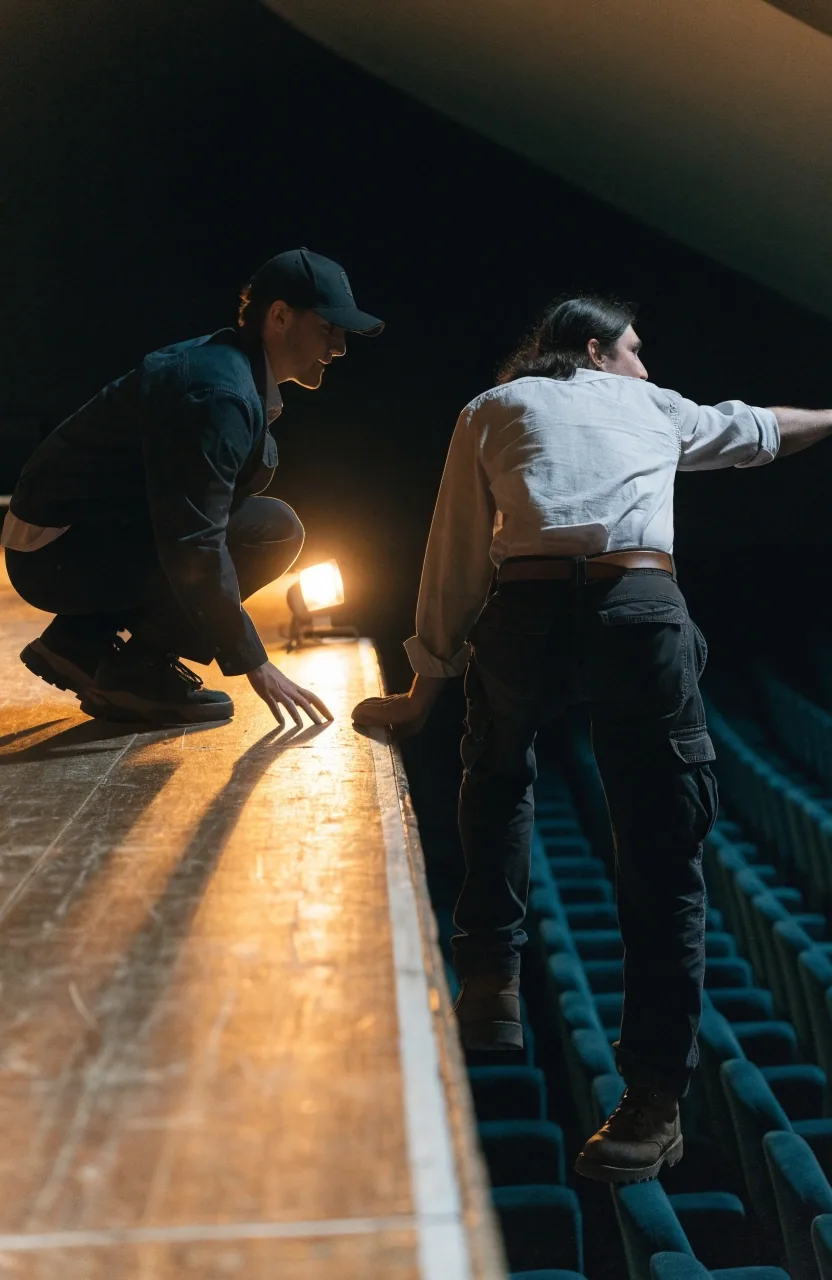
Every live project starts with a walkthrough. Sightlines, ceiling height, sound treatment, where the door sits relative to the stage, how quickly the room fills and empties. These details decide what kind of event a space can actually hold.
A room that works for a seated talk may be wrong for a standing show, and the reverse is just as true. We would rather turn down a booking than force a format into a space that fights it. That read of the room is the first deliverable, and it happens before any programming talk.
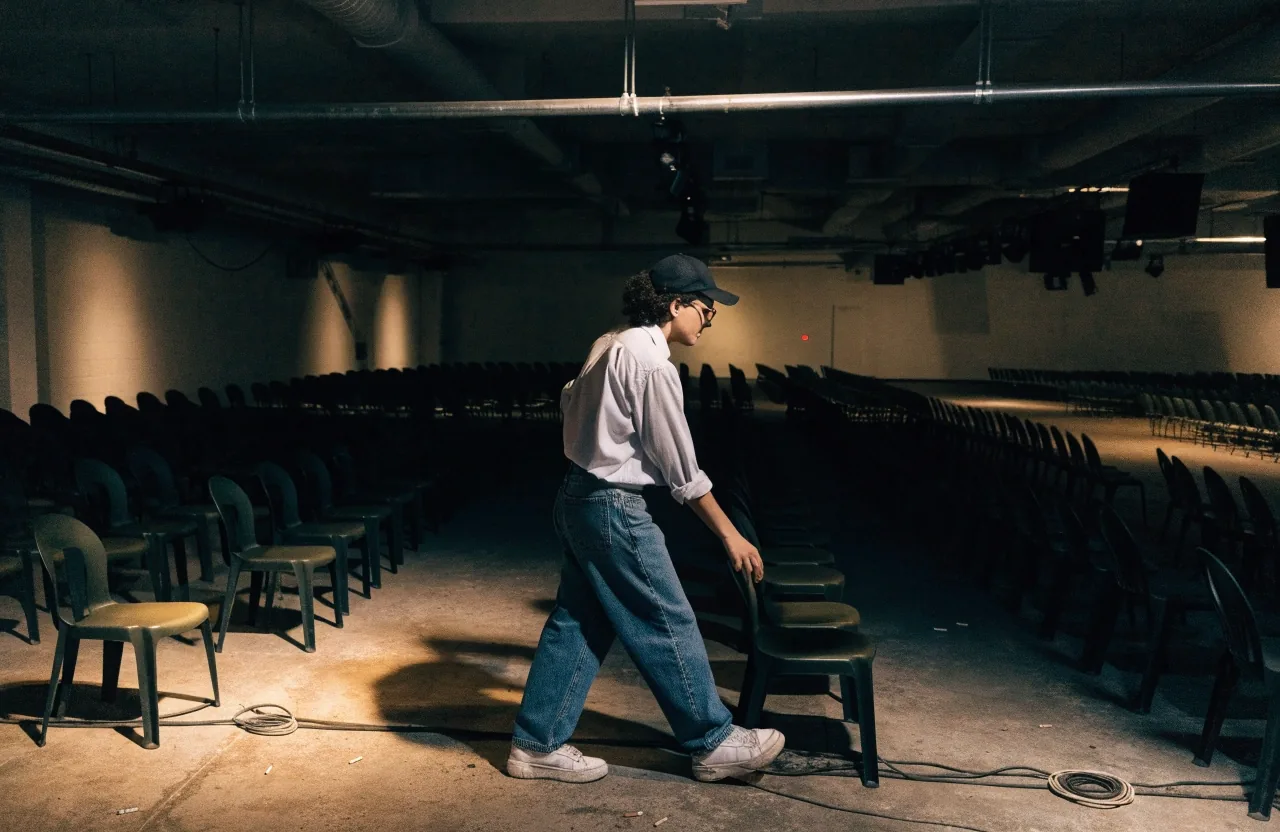
Curating a night rather than filling a slot
Programming is not a lineup of names. It is pacing: how long the first set runs, where the break falls, whether the room needs a host or can carry itself, how the night ends. A well-curated evening feels shorter than it is. A poorly curated one with better acts can still drag.
Running order
We build the order around the audience's energy rather than the performers' convenience, so the room stays with the night instead of checking out between sets.
First-night notes
For any recurring series we adjust after the first night. The second night is almost always better than the first if you are paying attention to what the room told you.
What we change
Set lengths, the placement of the break, whether the room wants a host at all, and the last fifteen minutes. Small moves, and they carry most of the evening.
Recurring series and appointment viewing
A single event is a test. A recurring series is a property, and properties depend on appointment viewing: a fixed slot, a known format, a reason to come back on the same night.
Netflix carrying WWE Raw starting in 2026 is the clearest recent example of a weekly live property keeping its fandom through a distribution change. The audience followed the night, not the channel it arrived on.
At our scale the same logic applies. A monthly night with a consistent host and a recognizable shape builds an audience that a one-off never will. People start planning around it, and that is the whole point.
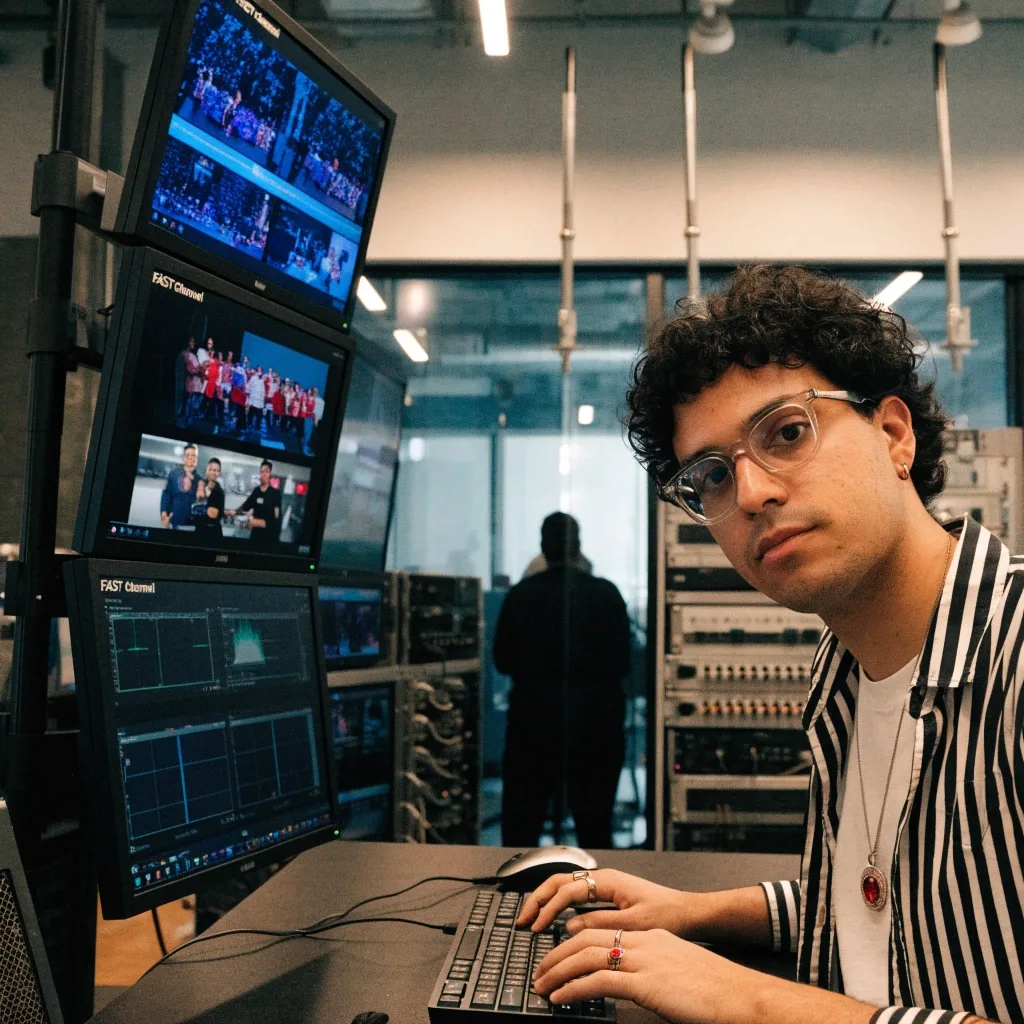
Venue partnerships
We work with venues in two directions, and it helps to know which one you are in before the first booking.
A venue brings the room
You have the space and want programming in it. We walk it, tell you what formats it can hold, and build a night that fits the room instead of fighting it.
We bring the format
We have a night that works and need a room with the right shape, sound, and door position. You get the terms and the running order up front.
Either way the terms need to be clear early: who holds the door, who handles ticketing, who carries insurance, and what happens if a night underperforms. We do not run a rental business and we do not sell tickets to events we do not produce. The partnership works best when both sides know which of those roles they are playing before the first booking.
What makes a room feel premium
It is rarely the size. It is the details, and when we scout a venue we are looking for those specific things rather than a capacity number on a listing.
Light that can drop
A rig that goes low during a quiet moment and comes back up without a visible struggle. If the lighting only knows one level, the night only has one level.
Sound without strain
A system that fills the room without being pushed to its edge. When the PA is working hard, the audience hears it working, and the room feels tense instead of full.
Flow, bar and staff
A bar that does not build a queue across the sightline, and staff who know when to move through the room and when to stay out of it.
A 150-capacity space with those details handled feels more considered than a 900-capacity room without them.
Technical and on-site delivery
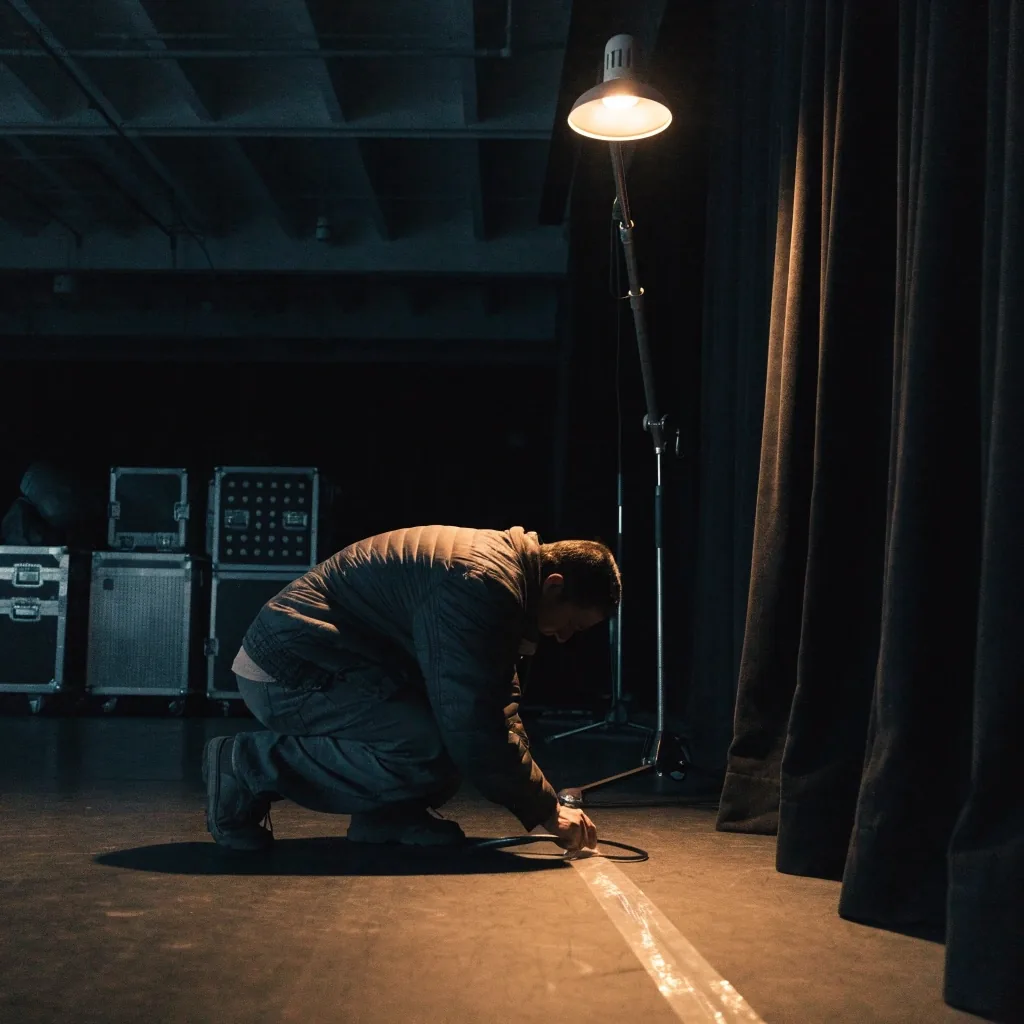
On the night, someone has to own the run of show. That means a schedule that accounts for load-in, soundcheck, doors, and changeover, plus a plan for the things that go wrong.
A performer arrives late. A projector fails. The room fills slower than expected and the first set needs to be pushed. Having one person responsible for those decisions is what separates a delivered event from a stressful one, and we take that role on for the projects we produce.
Load-in and soundcheck
Doors and changeover
One owner for the run of show
Working with brands on live events
Brands come to live events for a reason: a room full of people paying attention is hard to replicate online. The work is making the brand part of the night rather than a banner over it.
That might be a stage moment, a hosted segment, or a space in the venue that people actually use. What it should not be is a logo the audience learns to ignore. We plan the brand's role into the running order, and we are honest when the fit is not there.
Planned into the night
The brand's moment is written into the running order, so it lands where the room is already paying attention.
Honest about fit
If a brand belongs in a different room, or a different night, we say so before anyone spends on production.
What we need from a partner or venue
Tell us the space, the date range, and the audience you want in it. If there is a budget ceiling, share it early, because it decides the format more than anything else.
If you have run events before, tell us what went wrong last time. That is usually the most useful information in the conversation, and it saves a plan that looks good on paper from failing on the night. From there we can give a realistic view of what the room can hold and what a first night would look like.
Where the limits are
Saying this up front is part of the service. It saves a partner from a plan that looks good on paper and cannot be delivered.
-
No rights-based events
We do not hold rights to major sports or scripted properties, so we are not the right partner for an event at that level.
-
No attendance promises
We do not guarantee attendance. We build the night, the room, and the format, and the audience decides the rest.
-
No outside ticketing
We do not sell tickets to events outside our own production, and we do not act as a rental agency for a space.
-
Large rooms
For very large rooms we would usually bring in additional production partners rather than stretch a small team thin.
Questions we get before a first booking
How far in advance should we talk?
Earlier is easier for everyone. A first conversation a couple of months out gives us time to walk the room, agree who handles ticketing and insurance, and build a running order that fits the space. We still take shorter timelines when the room and the format already match.
Do you handle ticketing and the door?
It depends on the partnership, and we settle it before the first booking. Sometimes the venue holds the door and the ticketing; sometimes we do. We do not sell tickets to events we do not produce.
What if a night underperforms?
We agree that in advance rather than after the fact. For a recurring series we treat the first night as a test, look at what the room told us, and adjust the format before the second one. We do not promise attendance numbers for any night.
Can you produce an event outside Los Angeles?
Most of our live and venue work is in and around Los Angeles, which is where our people and our venue relationships are. Projects further out are possible, and we would usually bring in local production partners to handle the on-site side.
Do you work with brands that are not in entertainment?
Yes, when the brand has a real reason to be in the room. A product launch, a hosted segment, or a space people actually use can work well. If the only plan is a logo the audience will ignore, we will say that too.
Planning a live event or a venue project?
Datura Kilos, Inc. is registered in California and works out of Los Angeles. Tell us about the space and the date range and we will give you a straight read on what the room can hold.
1120 W 6th Street, Apt 1413, Los Angeles, CA 90017, USA
+1 579 15 27 89
Monday–Friday, 9:00 AM – 6:00 PM