
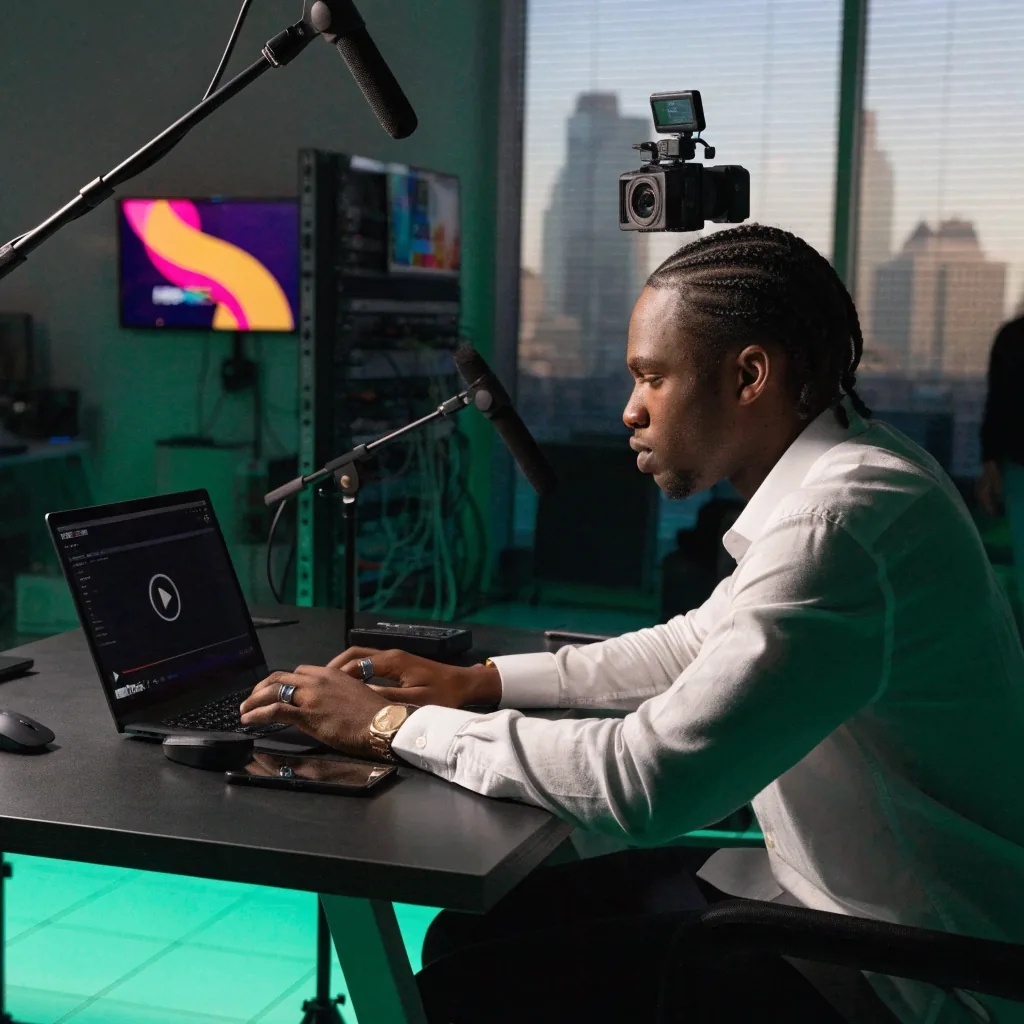
Streaming bundle
A subscription home for a longer body of work. Episode lengths, chapter breaks and how much back catalogue a viewer can find on arrival are all set while the piece is being made, not after it is finished.
1120 W 6th Street, Apt 1413
Los Angeles, CA 90017, USA
Monday–Friday, 9:00 AM – 6:00 PM
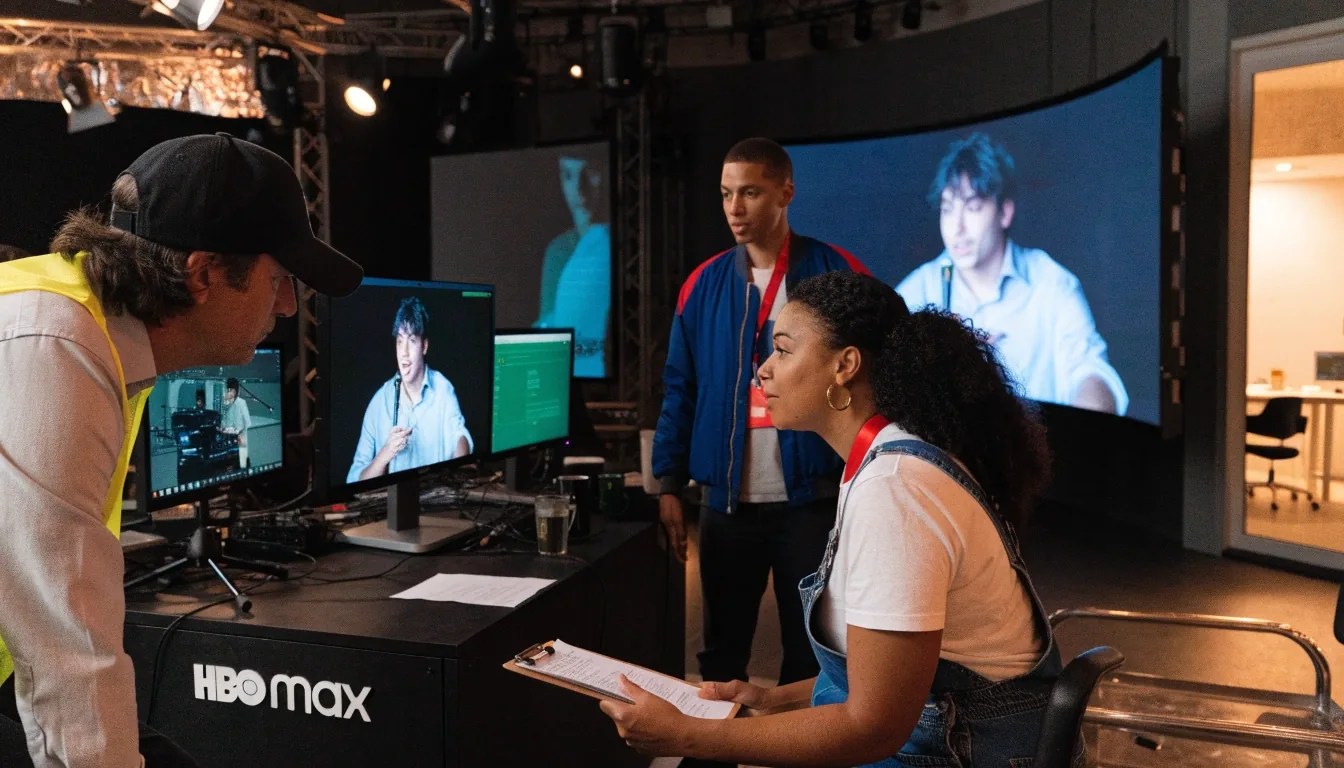
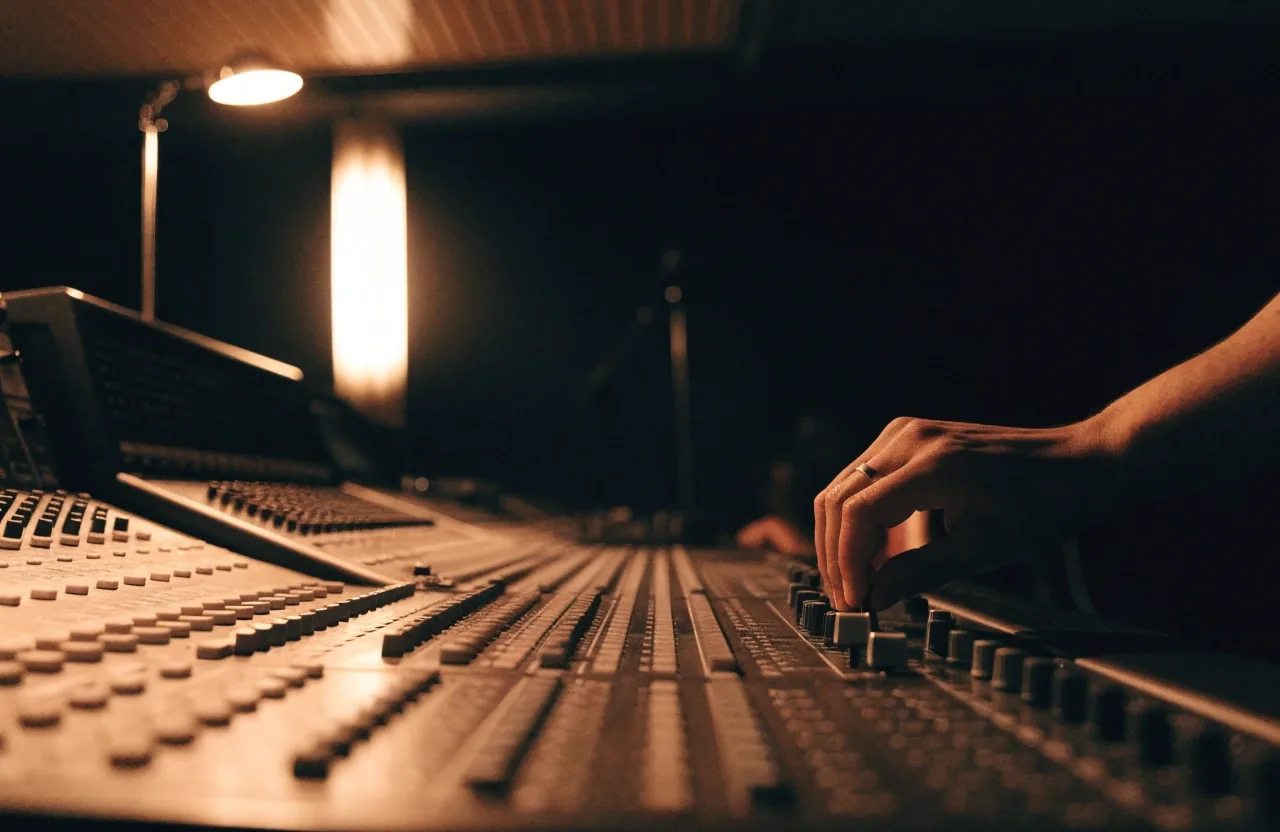
Partners usually come in through one line and pull in the others as the work develops.
Datura Kilos, Inc. is a Los Angeles entertainment company registered in California. We work in three connected lines: production support, live event and venue work, and audience-facing content formats. This page explains what each line covers, what it does not cover, and how to tell whether we are the right fit for a project.
The three lines are not packages you buy off a shelf. A partner with a finished show and no home for it uses a different part of the company than a partner with a room and no programme. Read the three sections below in order if you are still shaping the idea, or jump to the section that matches the problem you already have.
Production support covers the making of content: concept development, planning, crew coordination and delivery. We work on projects sized for streaming, short-form, or a live capture that gets cut afterward.
What we need from a partner at the start is the goal and the audience, not a finished script. We will push on the format before we push on the budget, because the format decides most of the cost. A one-hour programme shot as a single continuous capture and the same hour shot as a cut multi-camera piece are different budgets, different crews and different delivery schedules, even when the subject is identical.
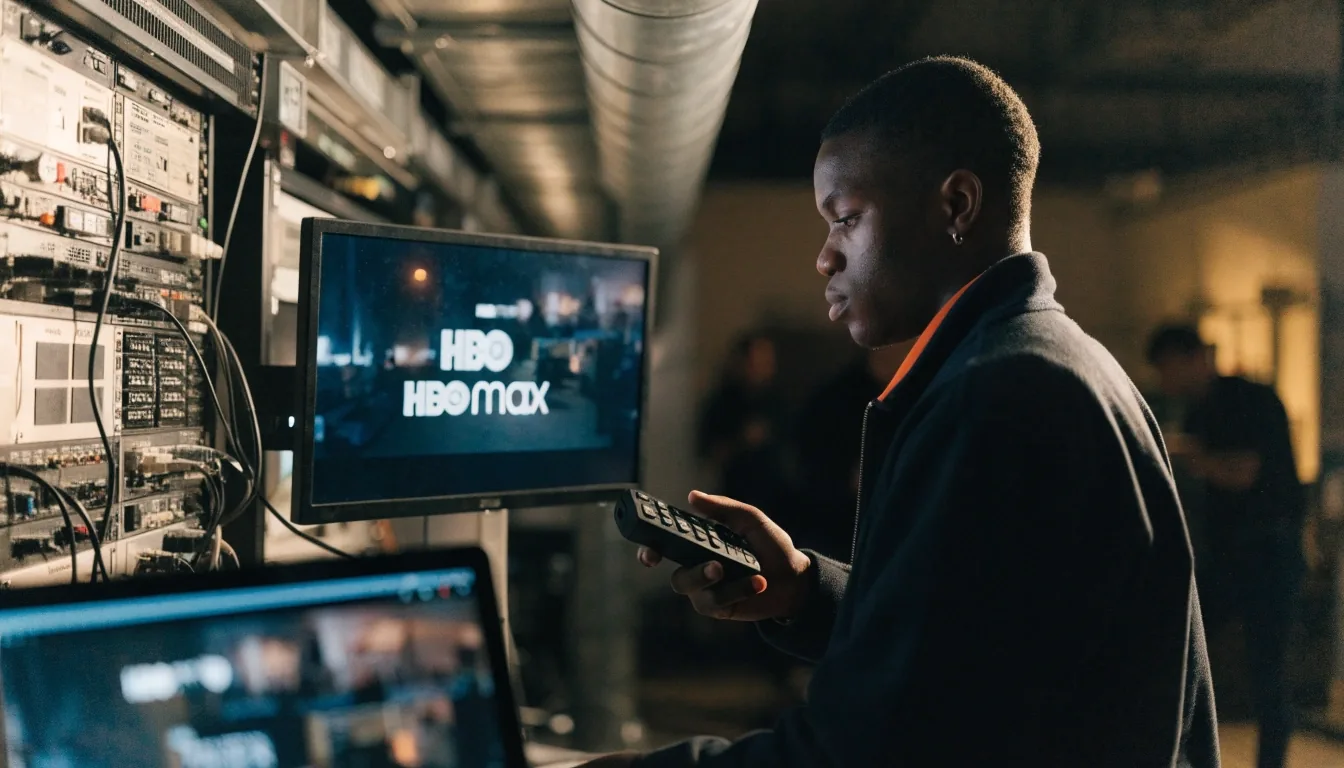
Bring the goal and the audience. Everything else we can shape together.
If a project is better made by someone else, we say so in the first conversation rather than at the contract stage.
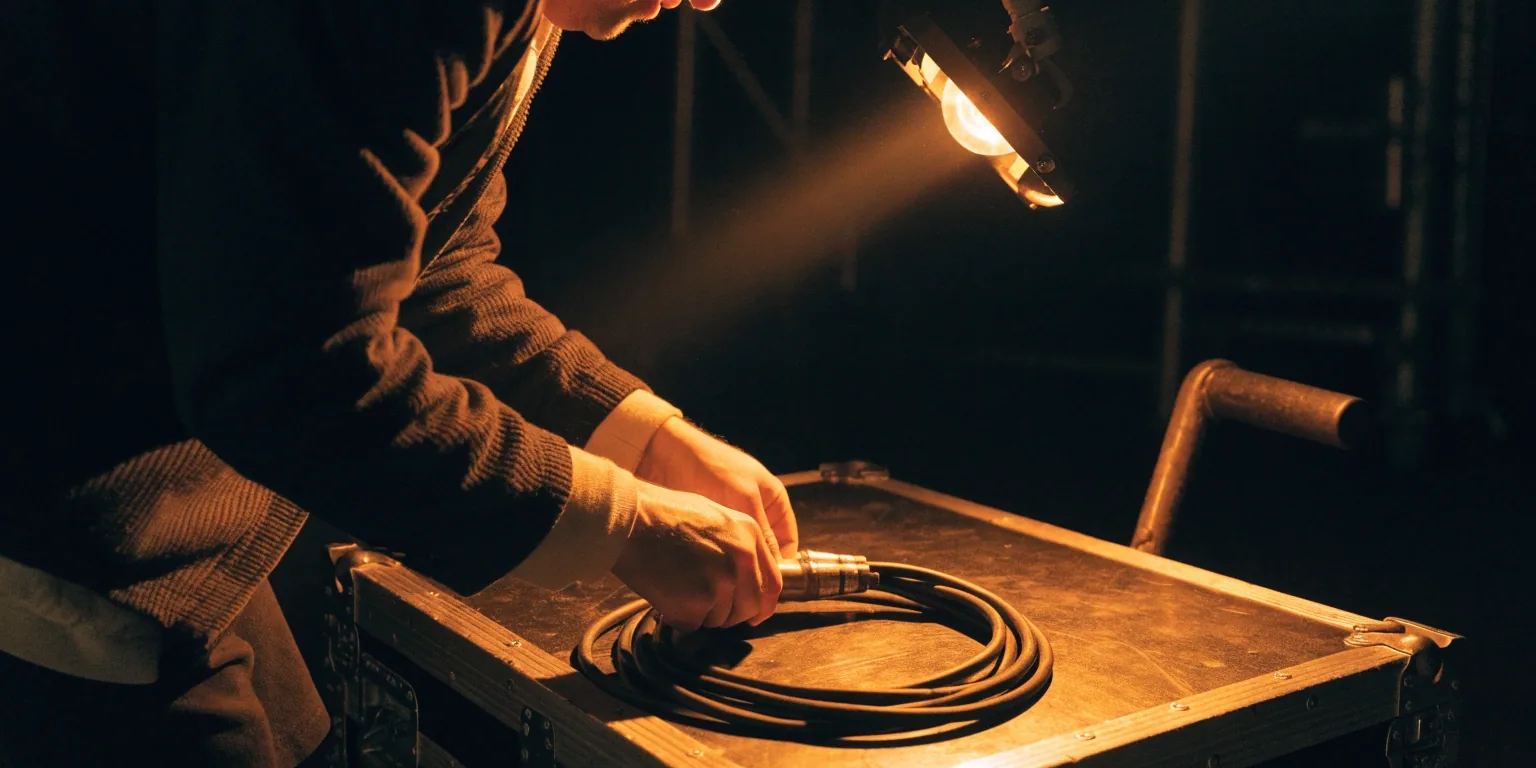
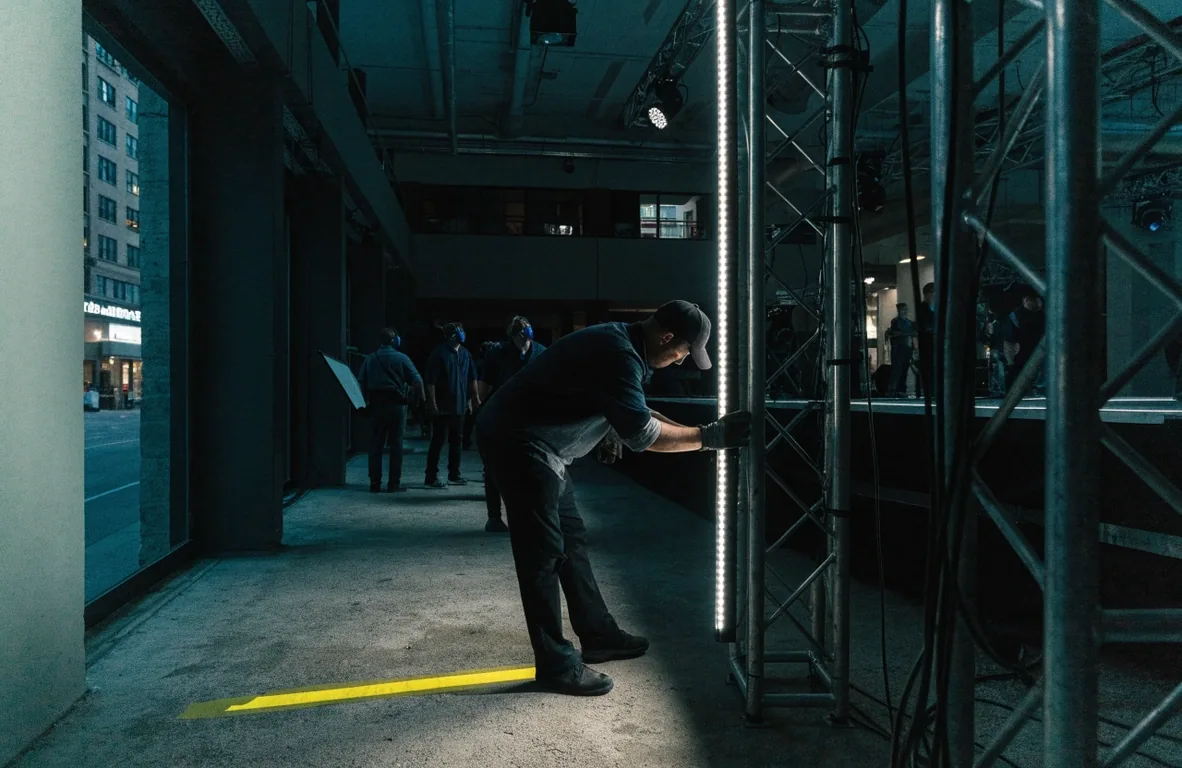
Planning, curation and on-site delivery for live events. We start with a walkthrough, because the room decides the show.
This line covers programming a room, sequencing a night, coordinating the technical side, and running the event itself. Sightlines, sound and door flow decide what kind of show a space can hold. Some rooms are wrong for the event a partner has in mind, and it is cheaper to learn that before tickets go on sale than to discover it on the night.
Formats covers how finished work reaches people. Each one changes how a piece is written, shot and edited, so we plan the home for a project while it is still being shaped.
A subscription home for a longer body of work. Episode lengths, chapter breaks and how much back catalogue a viewer can find on arrival are all set while the piece is being made, not after it is finished.
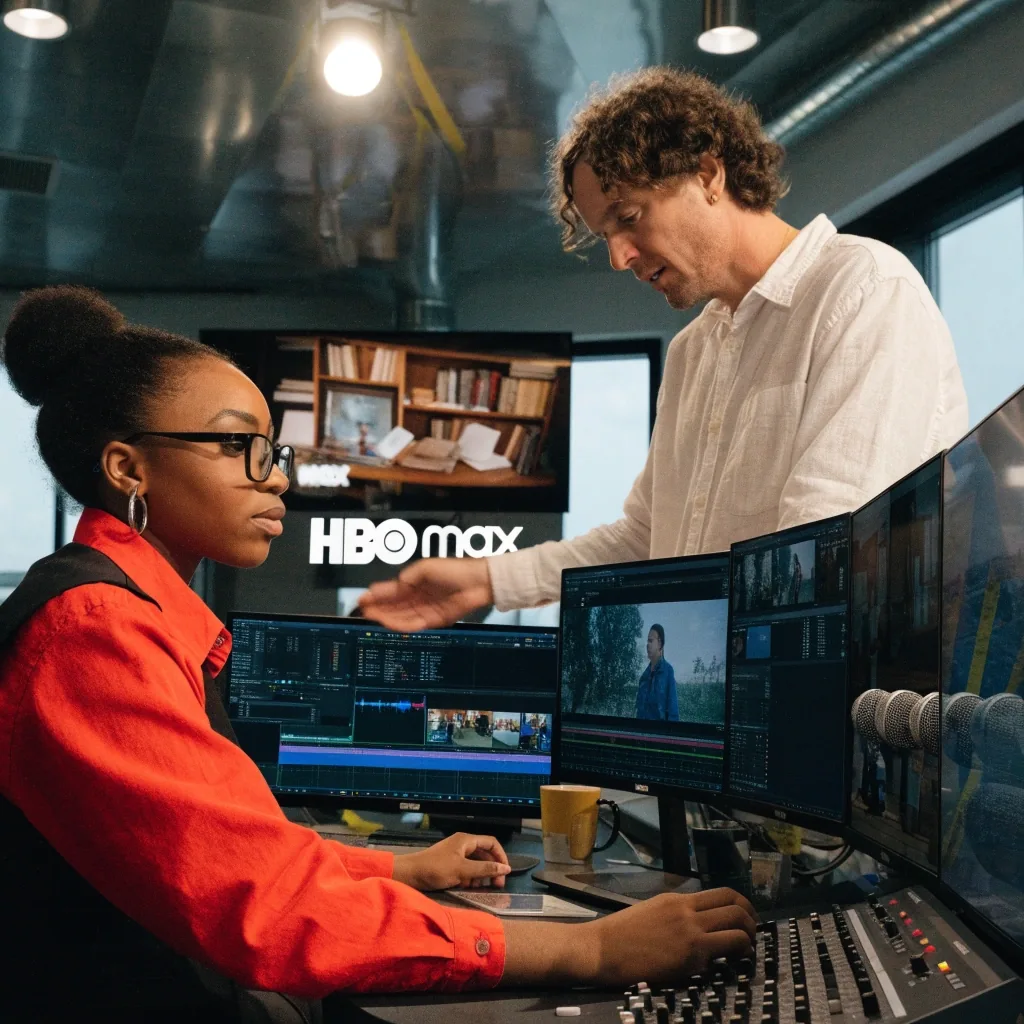
Free to the viewer, funded by advertising. Ad breaks have to be designed into the edit rather than dropped on top, which means the running order of a piece is decided earlier than it is on a subscription release.
A free, ad-supported channel with a fixed schedule. Viewers arrive mid-programme, so a piece has to hold up without a viewer having seen the opening. Parks Associates counted 60 FAST platforms in the U.S. market in 2026 reporting, which is why the distribution choice cannot be left to the end.
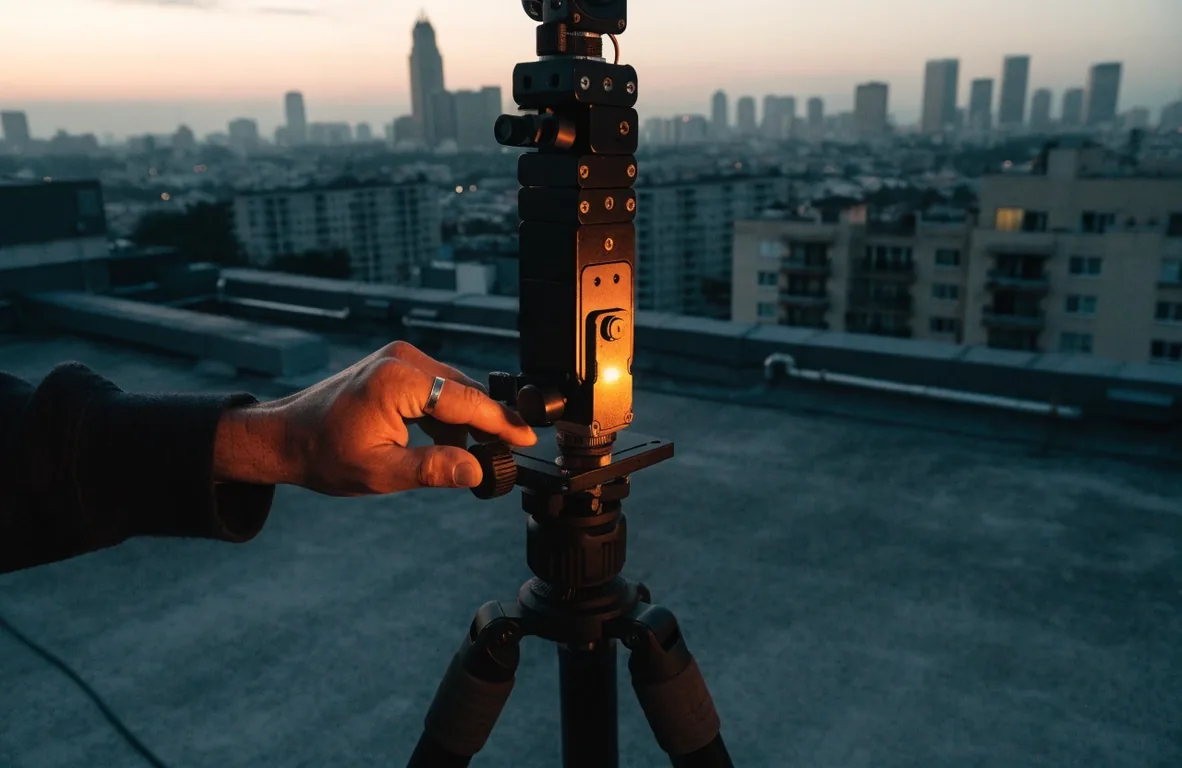
Built for phones and for people who arrive without context. It is usually cut from material shot for something longer, and the shooting style is chosen with that second life in mind.
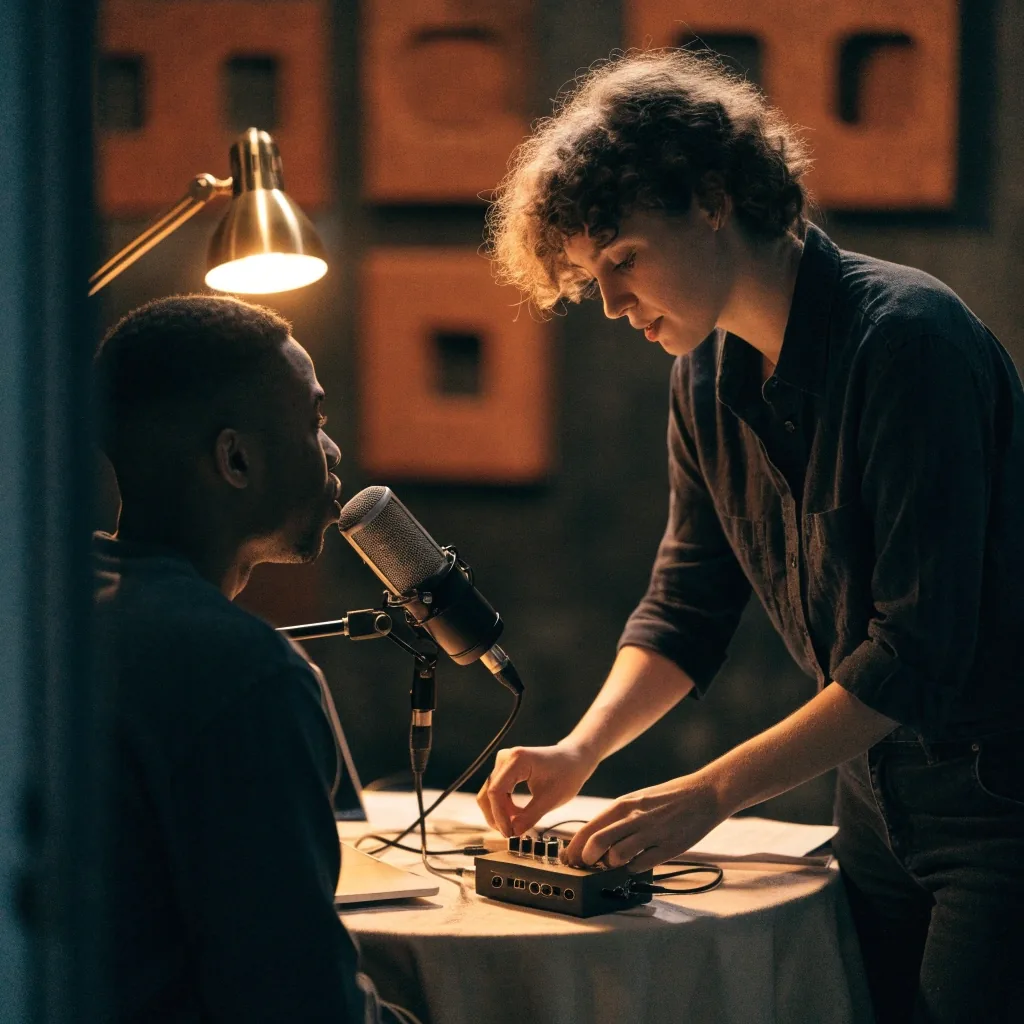
A podcast or audio version of the same material, often recorded alongside a live night. It gives a project a second life without a second shoot, and it travels to listeners who would not have found the video.
Clear boundaries save everyone a meeting. These are the four things partners most often assume an entertainment company does, and which we do not.
We do not sell advertising space, run an affiliate business, or take a fee for routing a project to someone else's platform. If we recommend a home for your work, we are not paid by that home to say so.
We do not promise views, attendance or platform placement, and we do not take work where the only deliverable is that promise. We can plan for an audience and build the path for it; we cannot hand you a figure in advance.
We do not hold rights to sports or scripted properties we do not own, and we do not act as a talent agency. If your project needs a licensed property we cannot access, we will tell you in the first conversation instead of after a proposal.
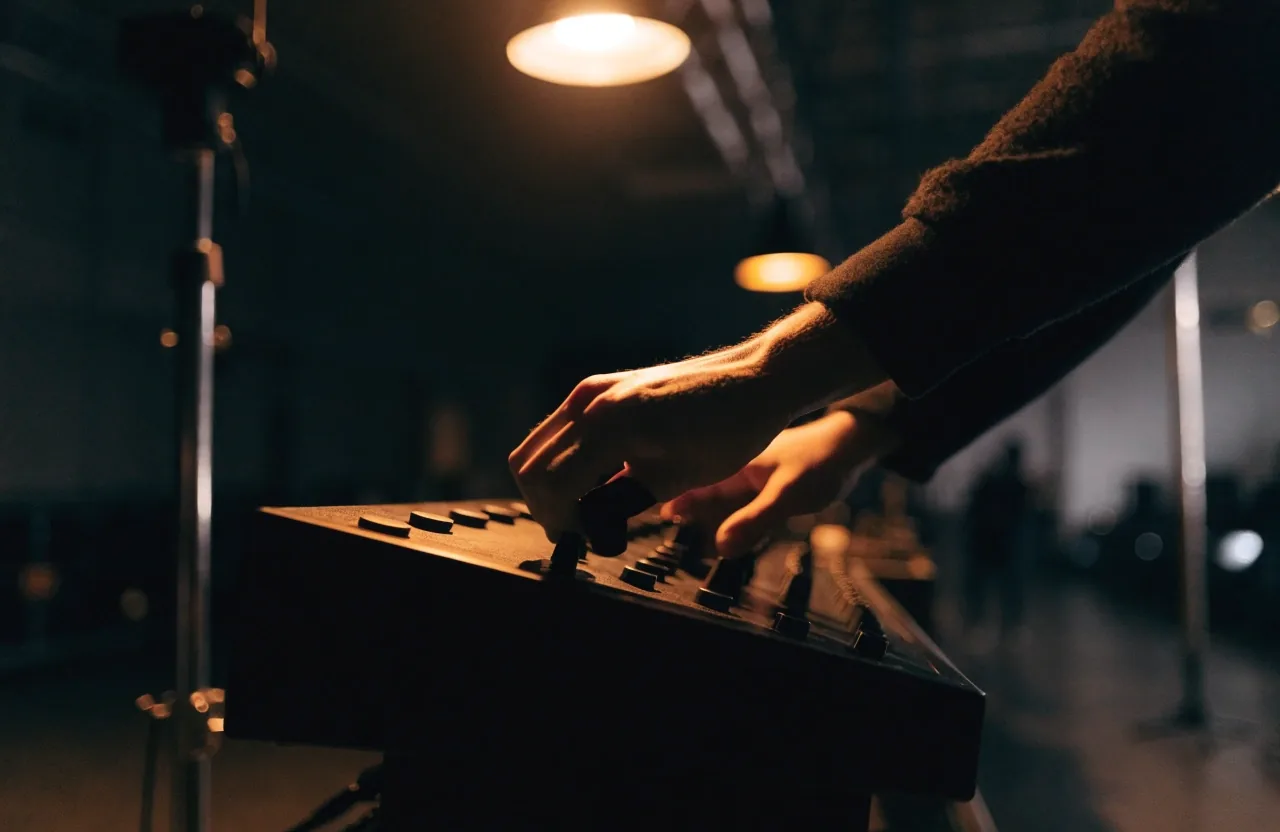
A typical combined project starts as a live night in Los Angeles. The event is programmed and delivered, then captured and cut for a streaming or ad-supported home, with a short-form version built for social. The audio from the night can become a podcast episode.
That is one project with three deliverables and one plan. It costs less and holds together better than commissioning each piece separately, and the audience built at the event carries into the content instead of being rebuilt from nothing.
Venue walkthrough, running order, technical plan, and someone from our side in the room for the whole event.
Camera and audio positions are chosen during the walkthrough, so the finished cut has a streaming or ad-supported destination rather than looking for one.
A vertical cut for phones and an audio companion from the same night, so one booking produces work in three places instead of one.
The useful starting information is short. Constraints make the plan better, not worse — we would rather design around a real limit than discover it halfway through.
Ask three questions. Does the project need something made, not just advised? Is there a real audience with a reason to show up or watch? And is there a constraint we can plan around, whether that is time, money or a fixed venue?
If the answer to all three is yes, we are likely a fit. If the project is still at the idea stage with no audience and no limit, the honest next step is a short discovery conversation rather than a proposal.
First engagements are deliberately small. A paid discovery phase, a pilot piece, or a single event. The point is to find out whether the idea holds before a full budget is committed.
If it works, the second engagement is usually larger and clearer, because we are no longer guessing about the audience or the format. If it does not work, everyone has spent less and learned something useful. That is the whole reason we sequence it this way.
Discovery conversations run Monday to Friday, 9:00 AM – 6:00 PM, from our office at 1120 W 6th Street in Los Angeles.
Tell us what the project is, who it is for and roughly when it needs to exist. If you are not sure which of the three lines fits, say that too — working that out is the first thing we do together.
Datura Kilos, Inc. — 1120 W 6th Street, Apt 1413, Los Angeles, CA 90017, USA. Registered in California.